FARMERS MARKET HAUL
Saturday was my first trip of the year to the Piedmont Triad Farmers Market. I really like this particular market and have posted about it before. Now that I’ve been a number of times, I am recognizing several of the farms and farmers that are there each week and know what I can expect to find.
I had planned to go with my friend Susie, but the Southern Snow (pollen) had taken her out and she was too sick to come. That meant Oscar was voluntold that he got to accompany me. (snicker)
The goal of this trip was to buy repellants: plants that will help keep the bugs from causing grief. I went with a list to guide me:

I came home with this:
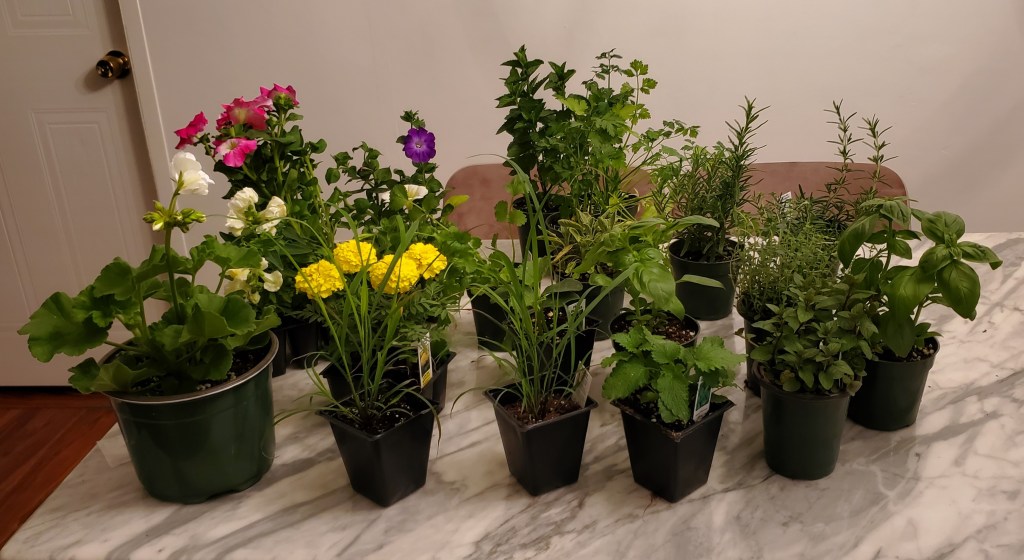
Here is what I brought home and a partial list of what they repel:
GERANIUM – mosquitos, Japanese Beetles
MARIGOLDS – mosquitos, flies, Japanese Beetles, and snakes(we found two just a few weeks ago!)
LEMON GRASS – mosquitos, flies, and snakes
LEMON BALM – mosquitos, flies
PEPPERMINT – mosquitos, flea beetles, ants, squash bugs
BASIL – tomato hornworm, mosquitos, flies, snakes
THYME – tomato hornworm, mosquitos, corn earworms, whiteflies, slugs
ROSEMARY – mosquitos, flies
SAGE – flies, ants, mosquitos
A few extra items found their way into my basket:
SNAPDRAGONS – because I like snapdragons
PATIO SNACKER CUCUMBER – because, … I don’t know why
CUTTING CELERY – how intriguing to have something that tastes like celery but is not in stalk form
CILANTRO – because I like Mexican-style food ?
PARSLEY – because I didn’t have any ?
Oh, and there is one mystery herb. I got a pot without a label and have no idea what it is. It maybe looks like some kind of mint, but it doesn’t smell like one. It’s a tall, upright plant. Maybe someone can help identify it?
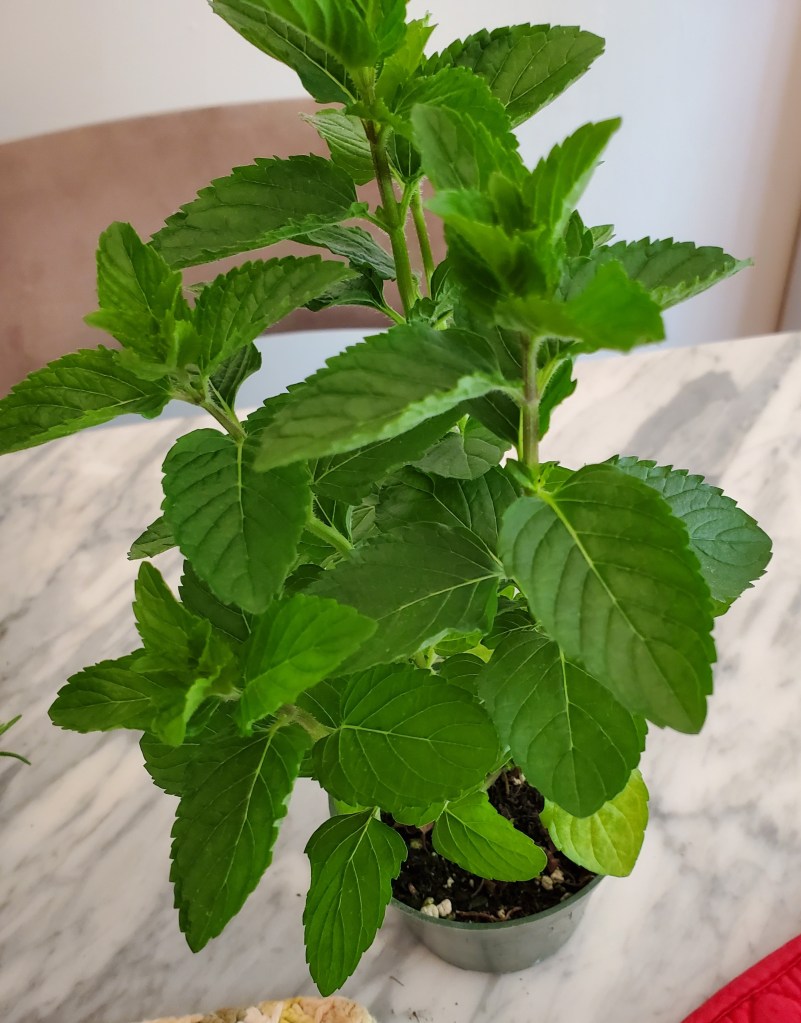
I sure have a lot of planting to do …
TAKE STOCK – WEEK 15
We’ve covered a lot lately and if you’ve not quite completed some of the tasks in the previous six weeks, use this as a Catch-Up Week. If you missed or didn’t quite finish the tasks for a particular week, this is the time to do that.
In Week 8 we were to Take Stock of how well we are able to produce at least some of our own food – have you made plans for your garden?
In Week 9 we were to Take Stock of the foods in our fridge and freezer.
In Week 10 we were to Take Stock of our Cleaning Supplies.
In Week 11 we were to Take Stock of the Convenience Foods in our pantries.
In Week 12 we were to Take Stock of the Food in our 72-hour kits.
In Week 13 we were to Take Stock of the other supplies in our 72-hour kits.
In Week 14 we were to add an Evacuation Checklist and Emergency Cards to our 72-hour kits.
Click on each link to review the last six week’s of posts. Find anything that you perhaps felt rushed on and fill in any holes in your preparations.
PLANT A SEED
Last year my seed-starting efforts didn’t have a very good outcome. Only three tomatoes plants and two kabocha squash survived my ministrations. I really hesitated to try again this year. In the end, though, I couldn’t resist planting seed starts for the garden.
It really is true that F.A.I.L. stand for “First Attempt in Learning.” I approached this year’s effort standing on last year’s lessons.
This year, I had a better understanding of the soil and the watering requirements. I also started my seeds later than the NC Planting Calendar calls for because last year, they were ready for the ground much too early. Additionally, while the pros recommend supplemental lighting, the cost for said lighting is atrocious. I simply am not interested in paying a bunch of money on something that I haven’t yet had success with. I found an alternative to an all-out set up like THIS and bought THIS instead.
The experience has been much better this year! Yes, I agonized over each seed tray, “They aren’t growing!”
In the end, though, I had a very good germination rate of all but the Mexican Sour Gherkin seeds.
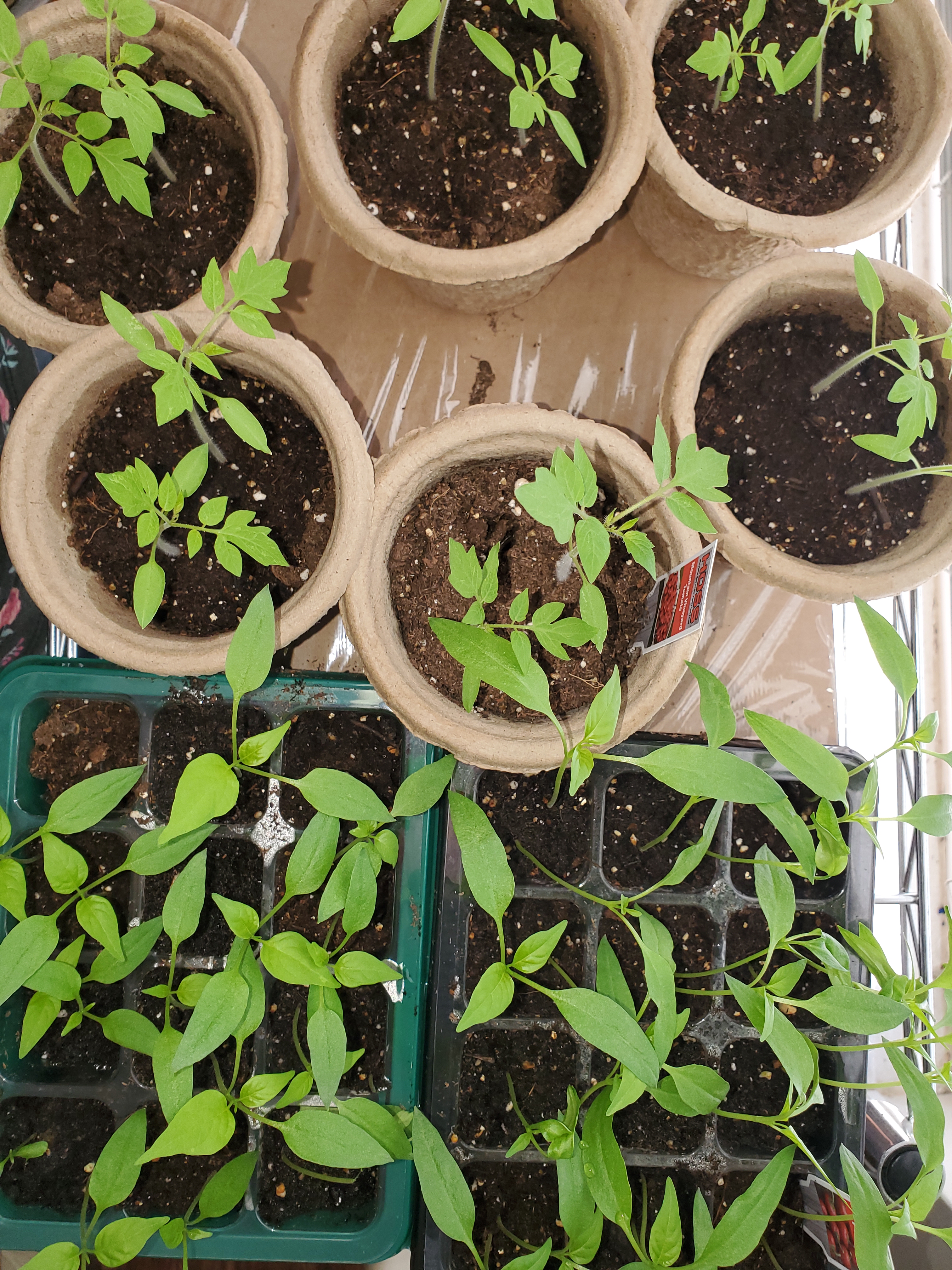
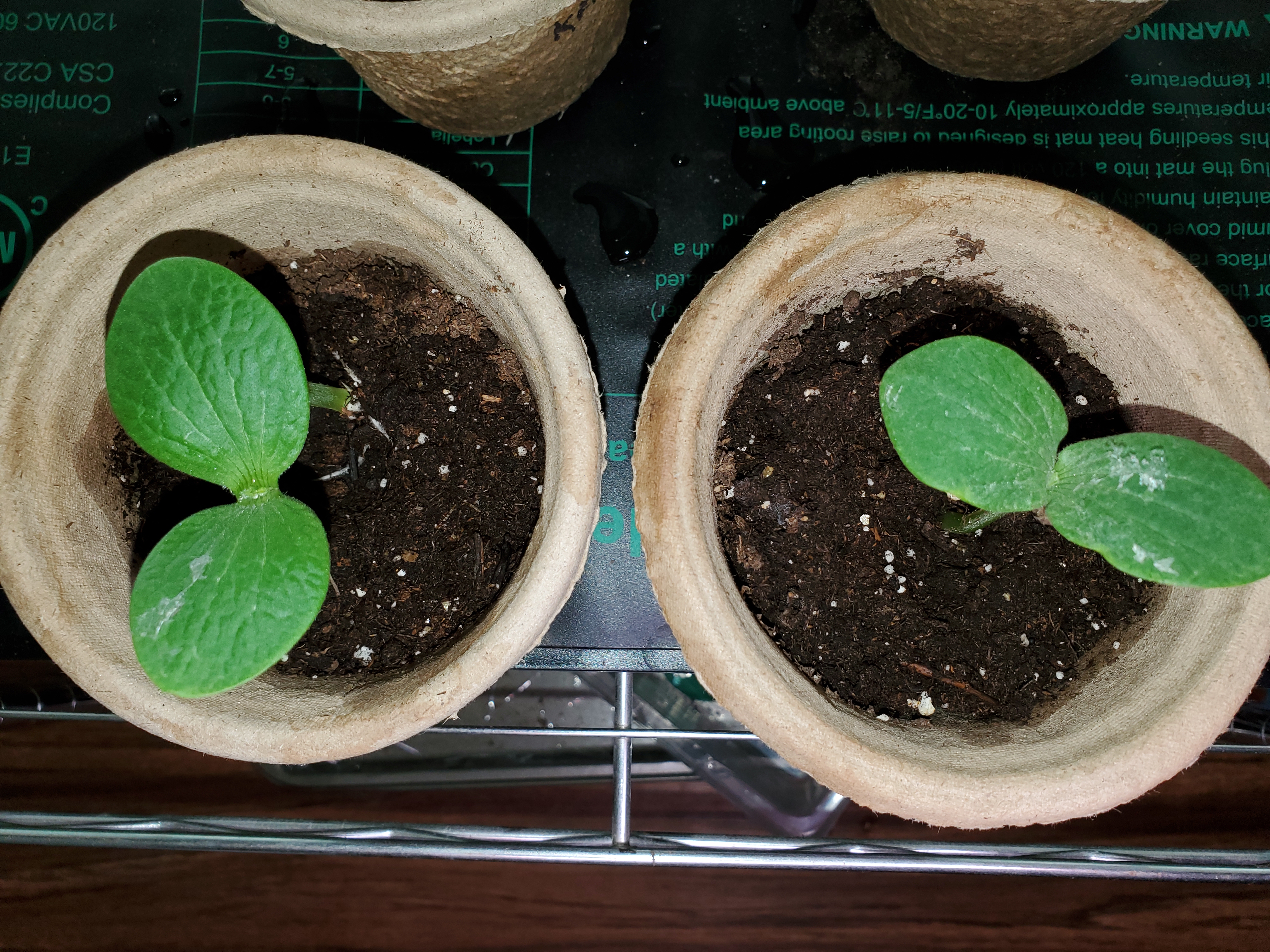
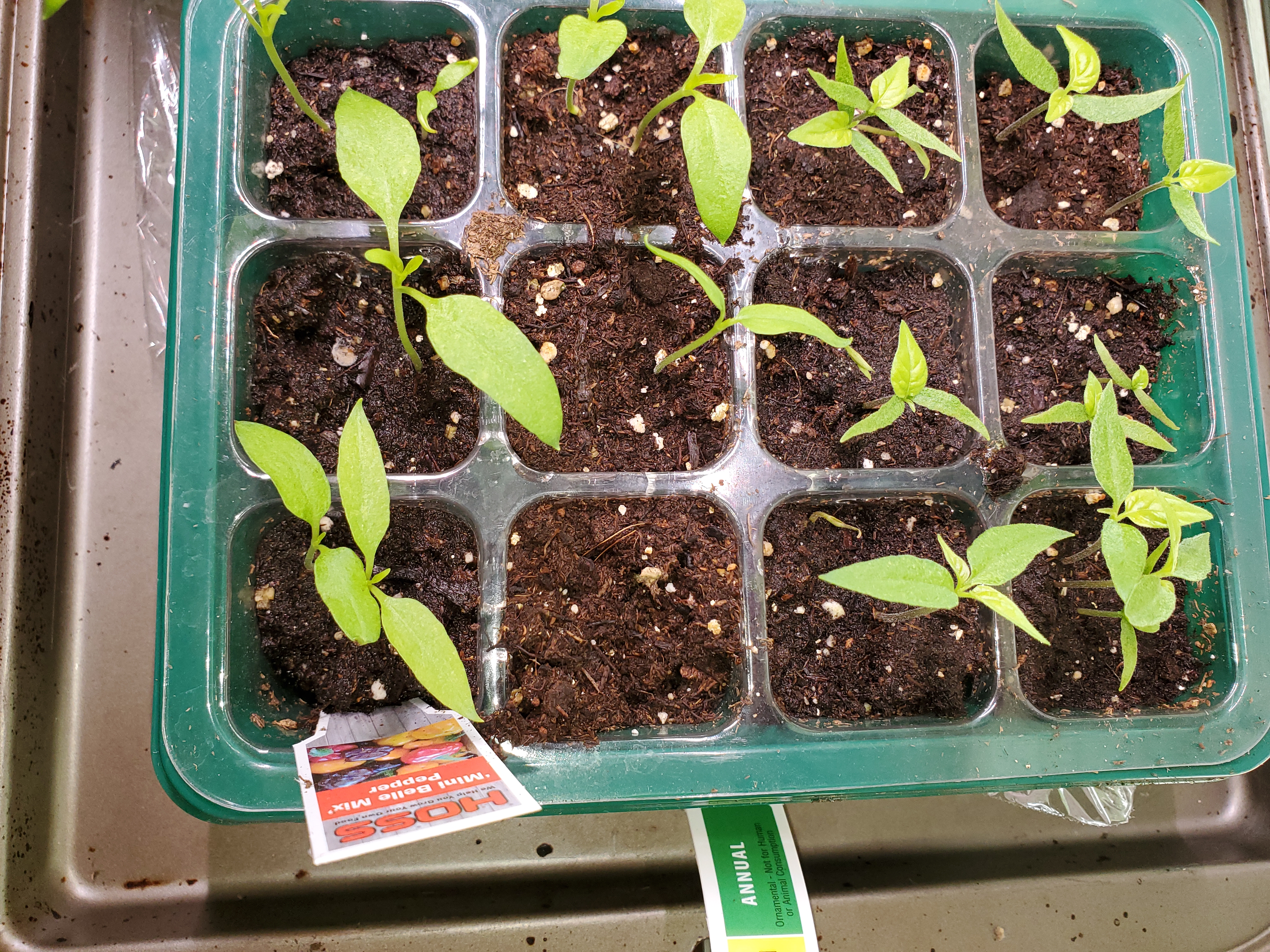
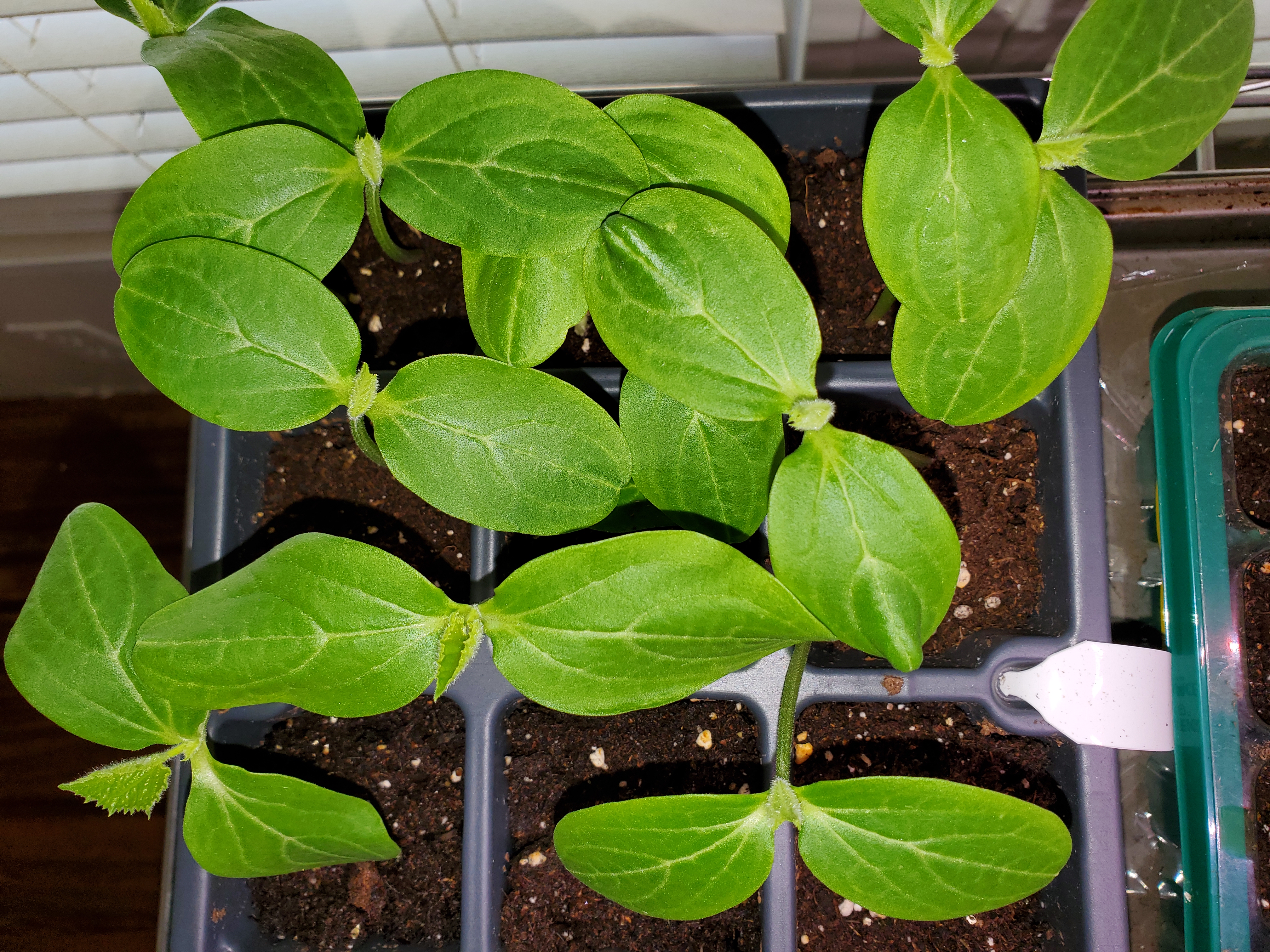
So far so good!
Some were ready for bigger pots, which was this weekend’s project. Now I will agonize over them surviving that trauma, lol.
FRIENDS & ENEMIES
I’m always having to look up this information so it’s time to put it where I can find it! Here are a couple of charts of which vegetables TO plant together and which NOT TO plant together in the garden. The art of companion planting is certainly more in-depth than these charts I found on-line but they are a good starting point.
PLANT THESE TOGETHER
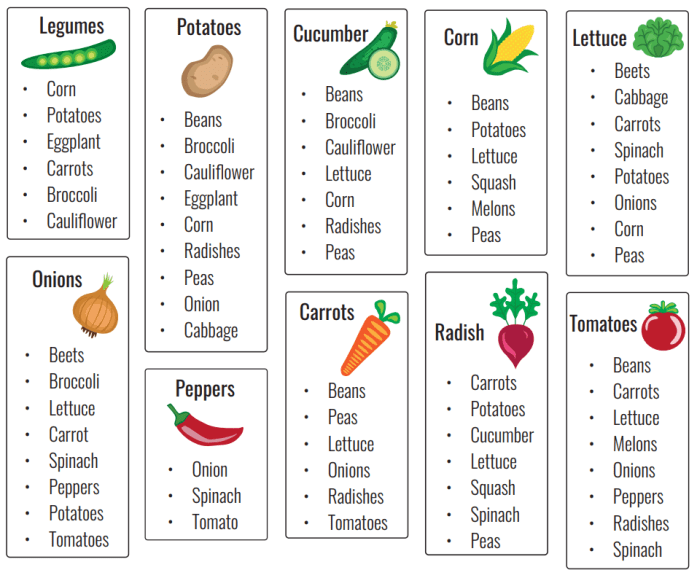
THESE ARE NOT FRIENDS

TAKE STOCK – WEEK 14
To finalize your 72-hour kit, TAKE STOCK of two pieces of information that should be included with your kits.
If you haven’t already done so, you will want to include Emergency Contact information in your kits and also post an Evacuation Checklist.
We’ve all seen that sometimes we are required to leave our homes in an emergency, rather than hunkering down. Recent examples of that are the train derailment in Ohio in February and the storms that caused damage in seven states just this past week.
When we must evacuate, an Evacuation Checklist will help us calmly collect additional items that are not included in our emergency kits. This list should be broken down according to how much time you have. Here is a downloadable example:
In the event that some household members are not at home during an emergency, it is recommended that each person member carry an Emergency Card with them and to have one included in each 72-hour kit. This card ensures each person has important contact information available, regardless of their location. Here is a downloadable example:
The addition of these two items will provide an additional level of peace in a stressful situation.
AND SO IT BEGINS
Once April arrived, the “busy season” began in earnest. I’m pleased that we were able to make progress on a few projects this weekend.
Oscar once again tilled the new garden section in front of where I planted the Three Sisters Garden last year. The leaf mulch Emmett and Ivan put on that bed really added to the soil health. Next weekend we need to put the fencing around the area. Then I will plant that patch with corn.
I planted 20 pea seeds in the old (Three Sisters Garden) section on Friday after work. They were older seeds from 2021 so I’m interested to see how well they germinate. I really enjoyed the peas I got from that variety last year. I planted 20 more pea seeds this morning before church. They were a different variety that I ordered in 2022 and I’m interested to see how they compare to last year’s peas. I will continue to plant peas over the next week or two. I’m hoping to have lots of peas. I’m a little bit concerned about how late I am planting them but I’m going to take my chances. It was too cold to plant them according to the area planting calendar (February 1st – March 15th).
We finished preparing the new garden bed by the front porch also. This is the spot that had not-so-lovely azaleas. They were overgrown and no longer produced flowers so last year Oscar dug the roots out of the ground. In February we filled the massive holes left in the ground with sand. This weekend we smoothed the area and covered it with landscape material. This area is 16′ x 8′.
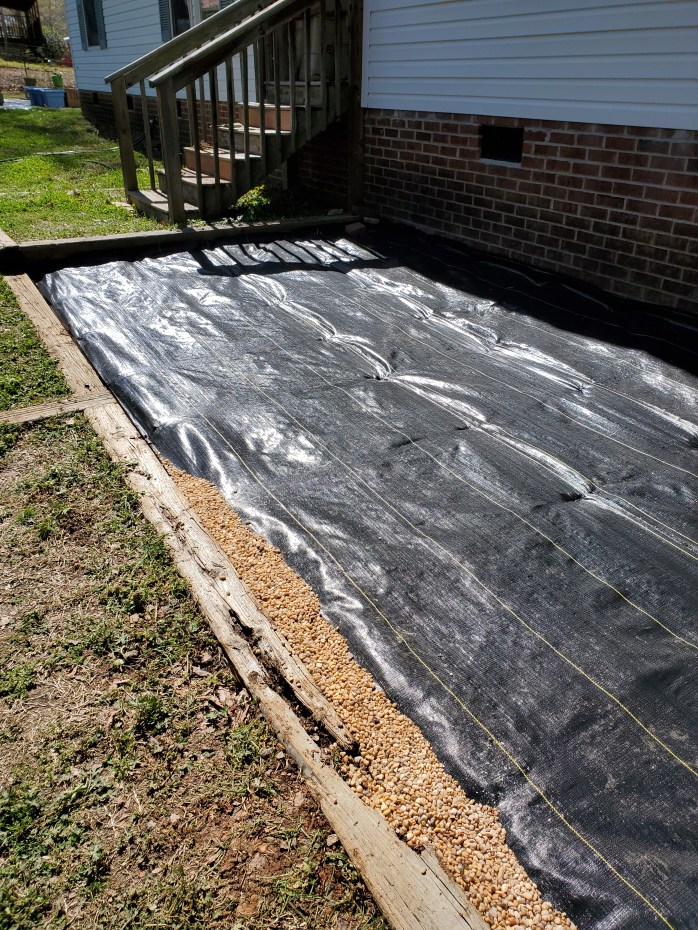
The area is 16′ x 8′. As you can see, we still need to add a couple more bags of pebbles to the border in the front. I think it will be a great area for my sun-loving plants.
Last week I received the calendula, comfrey and Plectranthus Tomentosa plants I had ordered from Grower’s Exchange. I wanted the calendula and comfrey to add to my herb garden. They have several useful medicinal qualities that I many someday delve in to, but I am currently attracted to their bug repelling traits: calendula repels tomato hornworms and comfrey repels mosquitoes. I admit the Vick’s Plant (Plectranthus Tomentosa) was purchased on a whim; however, the whim was supported by its mosquito repellant ability. This weekend’s project was to transplant them all. I put each plant into a 5-gallon fabric pot.
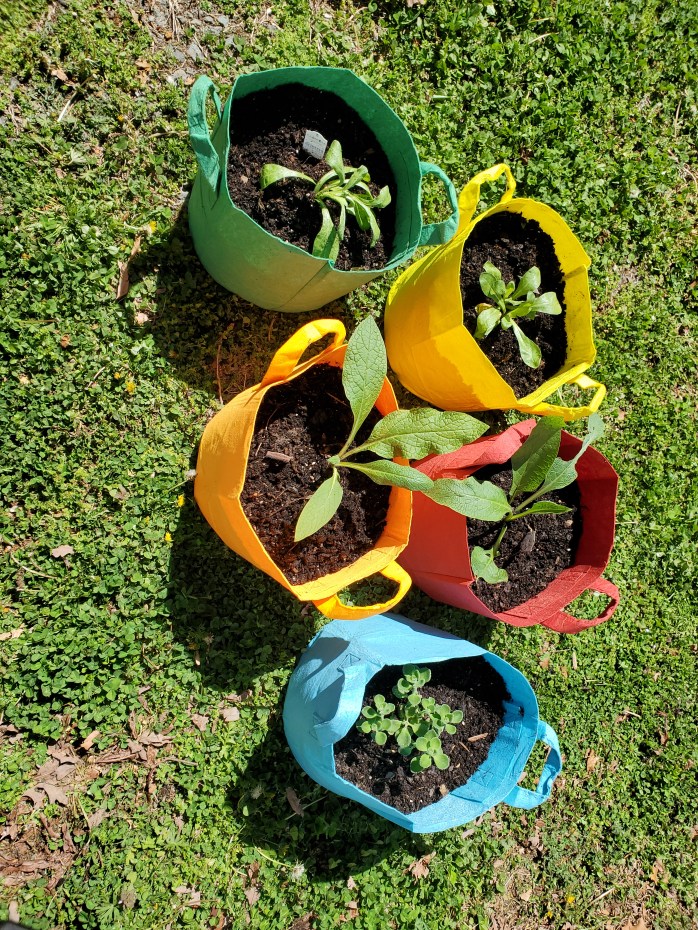
Do you like how I put the Vick’s Plant in the blue pot? Just like Vick’s comes in a blue jar!
TAKE STOCK – WEEK 13
This is the week to TAKE STOCK of our 72-hour kits.
After an emergency, you may need to survive on your own for several days. First responders will be over-whelmed and basic services are often unavailable. In some scenarios, you will need to evacuate your home with very little notice. Having basic supplies in a portable 72-hour kit means you will have food, water, and other necessities to rely on for at least a few days. This basic survival kit has been a standard of Preparedness for decades and the concept has even been embraced by the American government.
If you are simply reviewing your existing kits, ensure the food in them will not expire in the next year, check that he clothing still fits, replace water, refresh any expired or expiring health and first aid items, and add supplies you may be missing.
If you are just getting started building your family’s kits (or re-started), there are many, many websites to guide your efforts but they can quickly make you feel discouraged or overwhelmed. This is not a project that can be done in a week. Just start with the basics and adjust according to your family’s needs. Start by acquiring a personal bag or backpack for each family member. Then start filling it with basic supplies.
The basics to include are: Food & Snacks, Water & Filtration, Clothing, Toiletries & Hygiene, ID & Important Documents, Health & First Aid, Warmth & Shelter, Cash. Additionally, if your family includes Infants & Toddlers and/or Pets you will need to include additional supplies for them.
Food & Snacks: Look for ready-to-eat foods, especially those that do not require additional water. Include food items that will last for one year. Don’t forget a spoon/spork, plate, and cup. If you need to cook/prepare food, you will have to include the means to manage that.
Water & Filtration: 6+ water bottles or water pouches, LifeStraw or filtering water bottle.
Clothing: ensure you have sturdy clothes that fit or are a little on the large size. Be mindful of local weather for high/low temps, precipitation.
- Long pants
- Long sleeve shirt
- Short sleeve shirt
- 2 pairs of socks
- 2 pairs of underwear
Toiletries and hygiene: travel-size and sample packs are best for your emergency kit. Keep these items in a Ziploc bag to avoid leaks
- Hand sanitizer
- Baby wipes or moist towelettes
- Toilet Paper
- Toothbrush & toothpaste
- Soap
- Washcloth
- Tissue pack
- Feminine Hygiene
- Brush/comb
- Lotion
- Lip balm
- Deodorant
ID & Important Documents: each bag should include a single-sheet document with photos of each family member and their names, birthdates, phone numbers, addresses, and any important medical needs, allergies, and blood type. Also include contact information for extended family members. Protect this by storing in a Ziploc bag. Grab your Important Documents Binder when you need to evacuate.
Health & First Aid: kids’ kits can include very basic supplies in a Ziploc bag and the adults’ bags (or a “family bag”) can include an actual first aid kit. Don’t forget to collect prescription medicines and supplies if you need to evacuate.
Other Essentials to consider:
- N95 mask, face masks
- Mylar thermal blankets
- Rain poncho
- Hat
- Light Sources: Flashlight and/or headlamp
- Extra batteries
- Whistle
- ID Card with photos / emergency plan
- Entertainment – card games, coloring book, toy
- Pocket knife
- Waterproof matches / Lighter
- Solar/crank Radio & Charger
- Charging cords
- Cooking Pot & Fuel
- Work gloves
- Sharpie
- Cash – in small bills
- Duct tape
- Tarp / shelter
- Carabineers
- Multitool
- Notebook and pen
- Garbage bags
- Ziploc bags
Babies & Toddlers: even though they may be too little to carry their own bag, make a separate bag of their specific items that can be attached to another family member’s bag.
- Additional set of extra clothes (plan for growth!)
- Diapers
- Formula
- Bottle
- Pacifier
- Blanket
- Teething gel
- Hat (sun/cold protection)
- Infant carrier
- Small toys/plushies
Pets: Keep a smaller backpack or cinch pouch ready to go with basic emergency kit pack of supplies for your pets.
- Pet food & water
- Collapsible water bowl
- Leash
- Small comfort item: toy, blanket
- Poop bags
Don’t let this overwhelm you! There truly is only so much you can Prepare for but: Do Something!
SNAKY SHENANIGANS
Today was a very productive day! The Troutman contingent of the family came and helped us work on several of our projects and tasks.
Emmett fertilized the trees and bushes, transferred dead leaves to the new garden bed, helped with weeding the greenhouse, and pressure washed most of the house. Ivan mowed the yard, washed the chicken food storage bin, and moved even more leaves to the garden bed. Oscar re-fenced the dog’s yard. (Funny story: for ten years, I’ve use two-foot-high plastic garden fencing to keep the dogs in their potty area. Not once did they realize they, technically, could get over that silly fence.) This time, Oscar wanted the fence to be classier, so he used chicken wire (snicker–we sure are some fancy people).
Jessica cleaned out the weeds that had taken over several of the greenhouse planters.
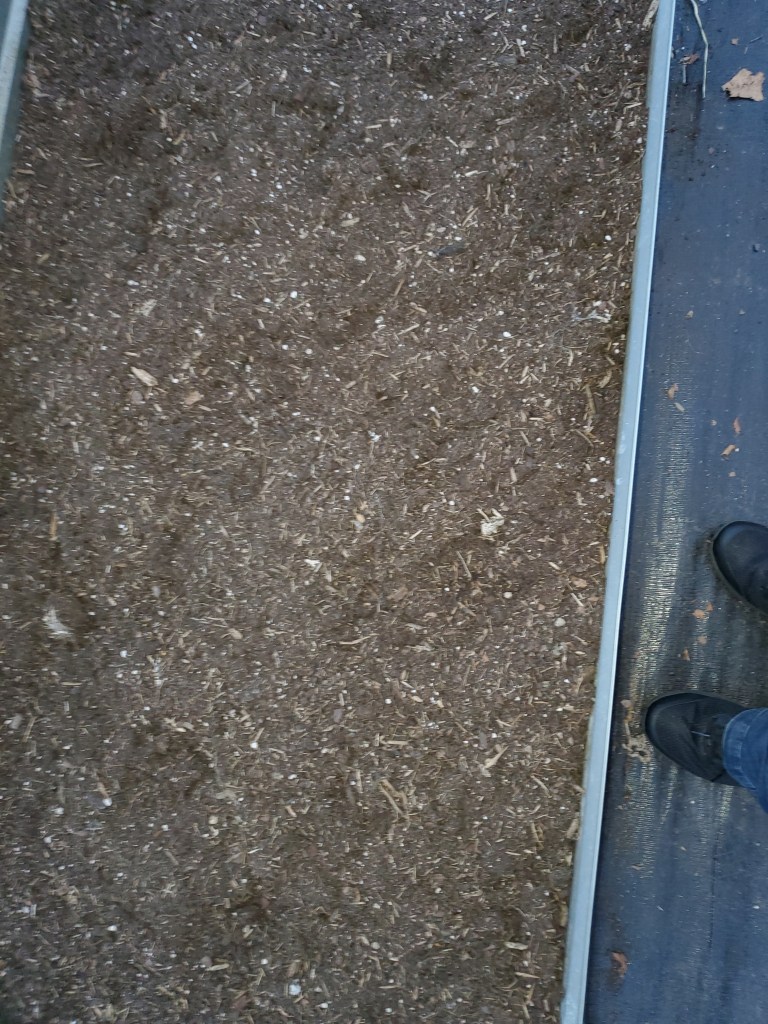
The greenhouse is ready for planting!
Jessica and I laid a new area of landscaping cloth in front of the greenhouse and set out some concrete blocks I had purchased a few weeks ago. Then, the five of us shifted the IBC tote to those blocks.
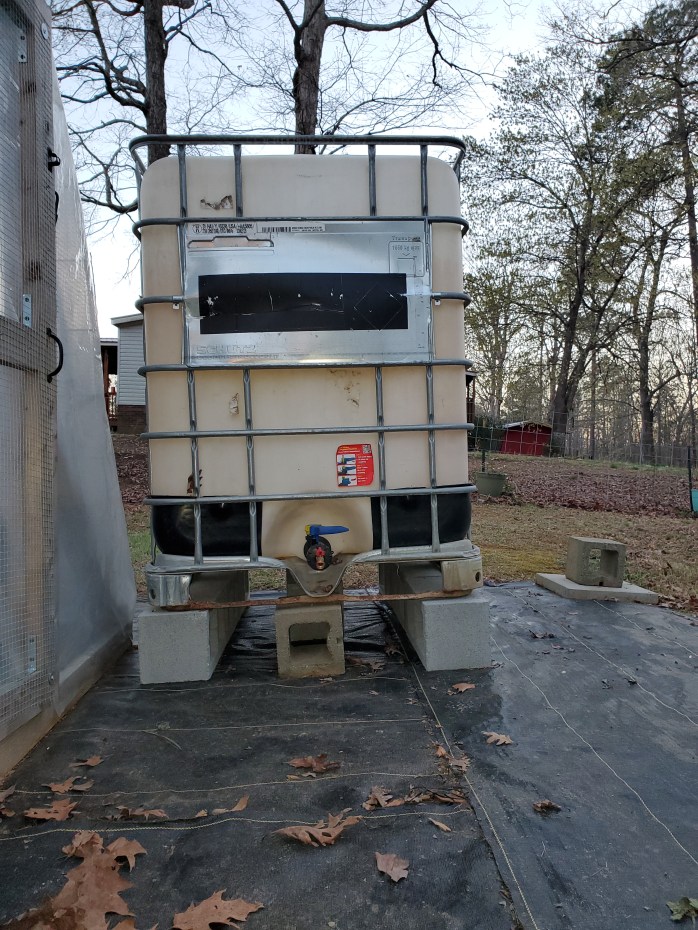
I acquired this IBC tote last year (see the post about that by clicking HERE). The intention always has been to use it to capture rainwater for irrigating the garden. It took some time to get the proper connections and a large funnel with filter to capture rain and a cover to protect the water in the tank from algae growth. Once all those things were acquired, we were unable to move the tote by ourselves. We definitely took advantage of the extra manpower that was available today. Hopefully we will get enough rain over the next weeks and months to keep this tank filled. If so, we won’t have to draw as much on the well to water the gardens.
After doing all that and more, everyone is definitely tired. I am very happy with what was accomplished.
There was a bit of excitement in the day also.
As Jessica and I were clearing the area to be covered with landscape material, we were surprised by a baby snake. Thinking it was a copperhead (it’s hatching season for them), it was dispatched. (Yes, there was squealing involved.)
We tossed the snake body into the chicken run and the fun began! The lucky hen to grab the snake had to keep on the run or the others would steal it from her. It was quite humorous to watch.
When we found a second baby snake to give to the chickens, the chasing hens couldn’t decide which of the “holding” hens to chase. Chaos reigned until, finally, Eager managed to catch enough of a break from the chasers to slurp her prize down like a spaghetti noodle! This distracted the others enough that the second lucky hen could sneak off and finish her treat.

TAKE STOCK – WEEK 12
When a disaster strikes, (hurricanes, tornados, and ice storms are the most common in this area) it takes time for emergency responders to locate and assist those affected. In such a situation, you and your family will need to rely on yourselves, and the resources you have prepared, to take care of your needs. To do this, we have been counseled to keep an emergency kit ready that can last a person for at least three days.
There’s a lot to address regarding 72-hour kits but this week let’s Take Stock of the Food in our kits.
The recommended criteria for food in a 72-hour kit is that it should:
be light-weight
have a fairly long shelf life
be grab-and-go with little to no preparation
have enough calories
be food that would actually be eaten and enjoyed
If you add in the recommendations that these food items should not require cooking or additional water, all the “rules” can become overwhelming.
The food lists found on-line to make your own food kit usually suggest items like jerky, dried fruit, instant oatmeal, candy, granola bars, trail mix, and such things. There are also pre-made food kits you can order that you have no control over the contents. These options do not account for food allergies and other dietary accommodations. Often, they are heavy in salt- and sugar-content. They are pricey, especially since you need to rotate them every six months or a year. If your kit includes items that require cooking or re-hydrating (like MREs or dehydrated and freeze-dried foods), you must add additional water and the means of preparing them, which means extra weight.
Personally, this is an area of preparedness I have struggled with. Almost every food suggested is something my household dislikes and/or cannot physically tolerate. Having to survive out of the limited number and types of food in my 72-hour kit would be a miserable experience.
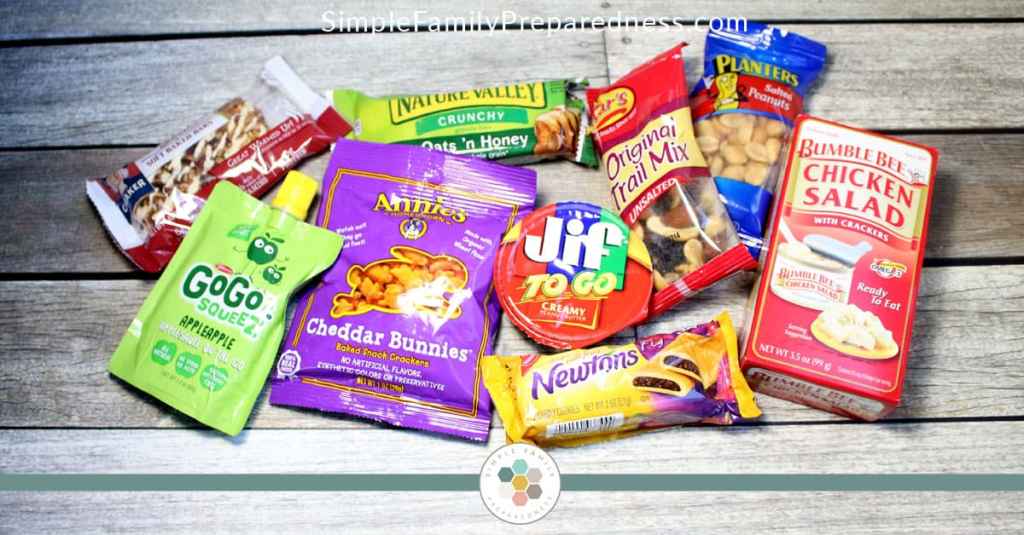

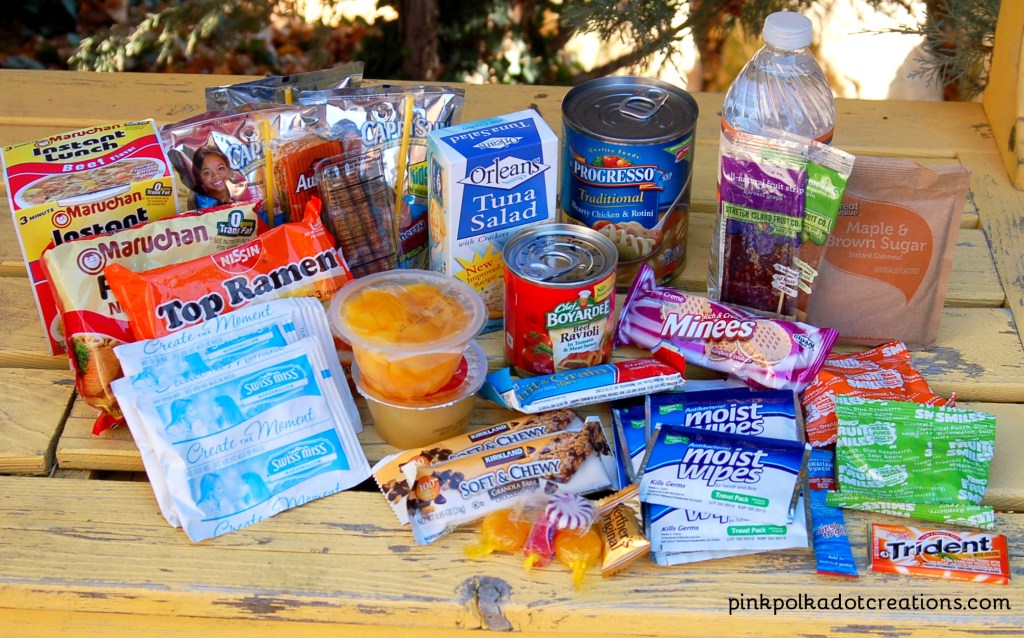
So, after you Take Stock of the food in your own family’s 72-hour kit, contribute to the discussion. How have you handled food in your 72-hour kits?
Please make a comment!
 Two Chickens Homestead
You must be logged in to post a comment.