MORE FUN ENCOUNTERS
The two or three weeks of warm weather we have helped the garden take off. Garden visits have become more than work and watering as I begin to see some (beginning) fruits of my labors.
The pea pods I reported HERE filled out nicely and I have had two good pickings. I did not get as many peas as I hoped (I planted 80+ seeds) but what I did get have sure been tasty. The worms and chickens enjoyed the pods after I scooped out the peas.
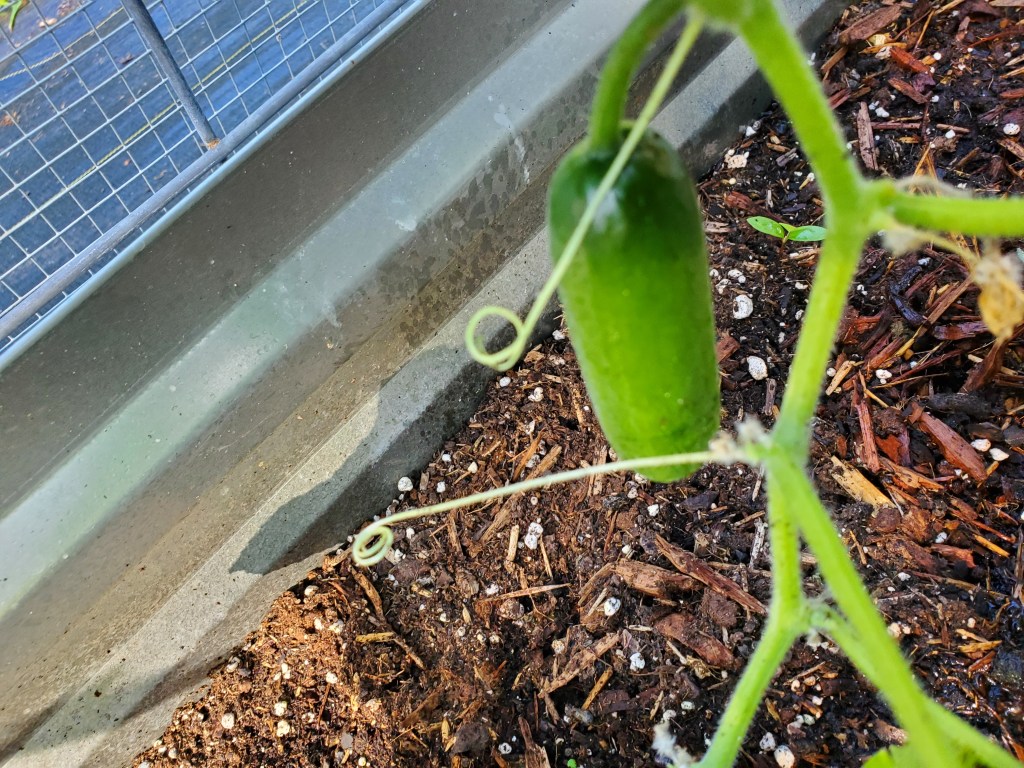
It was exciting to find the spaghetti squash fruiting, tomatoes on the tomato plants, and cosmos blooming. Oh, and a couple of cucumbers that I didn’t remember planting:
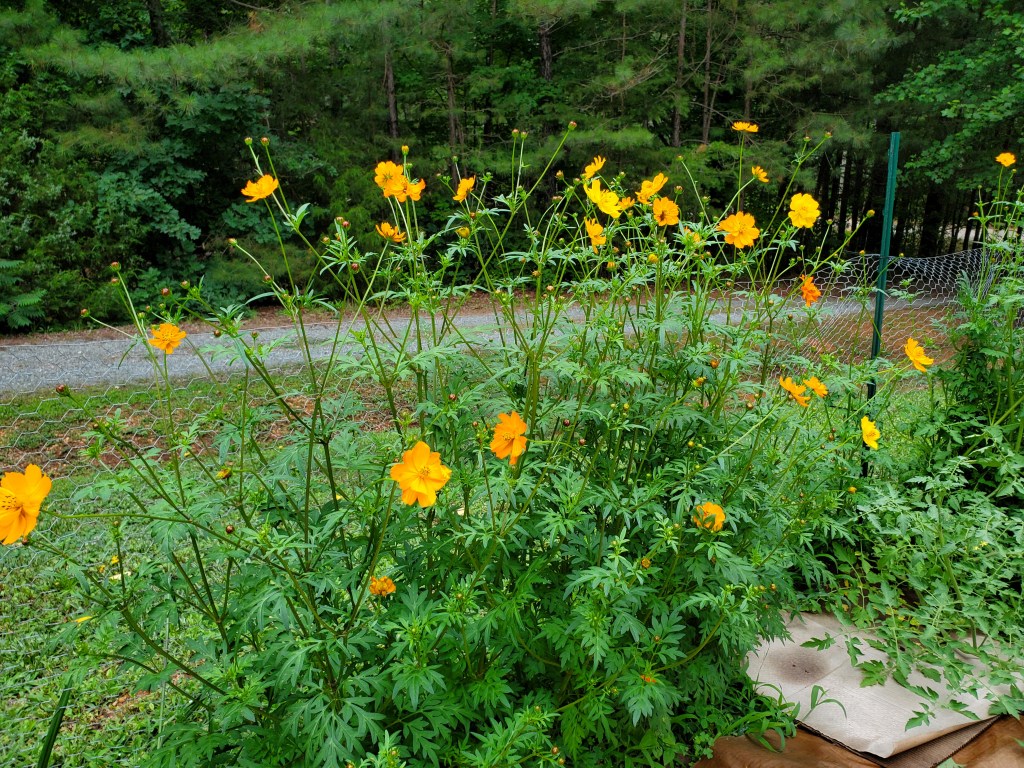

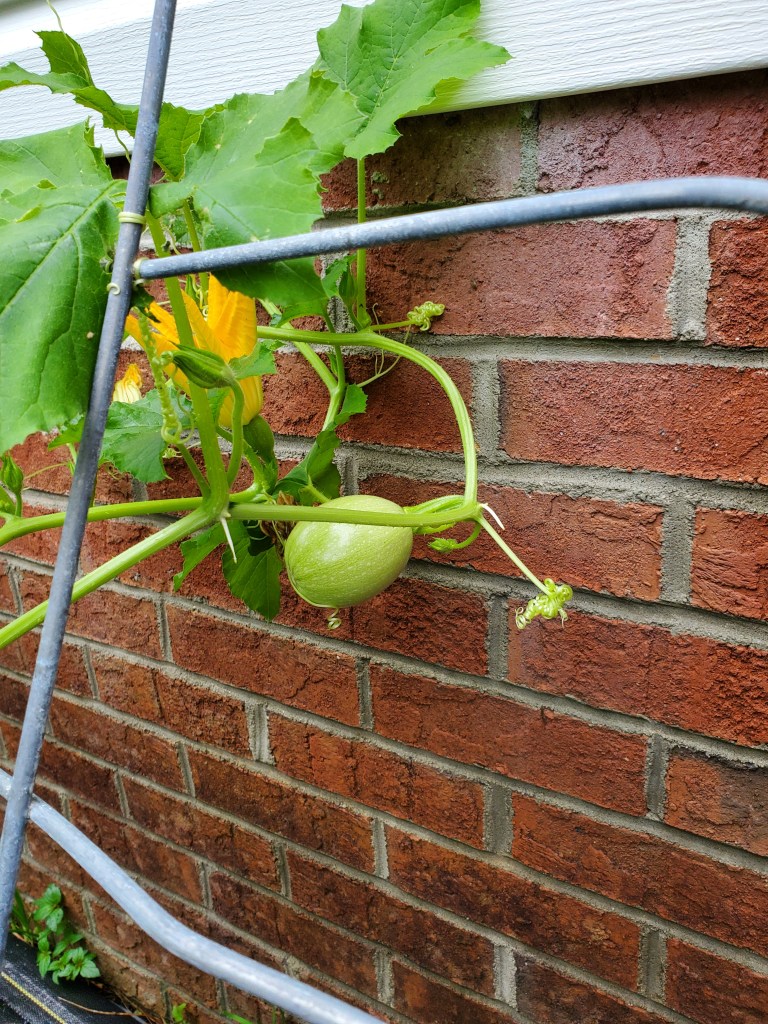
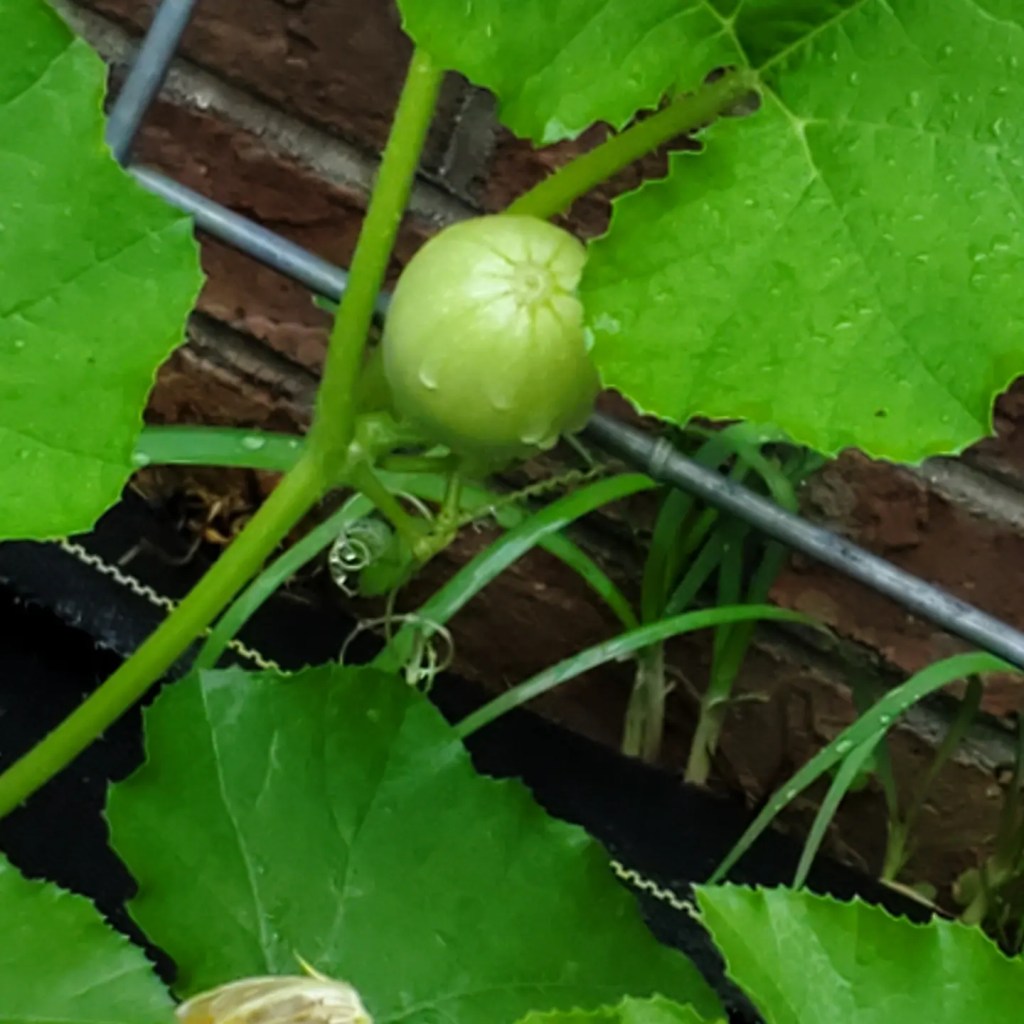
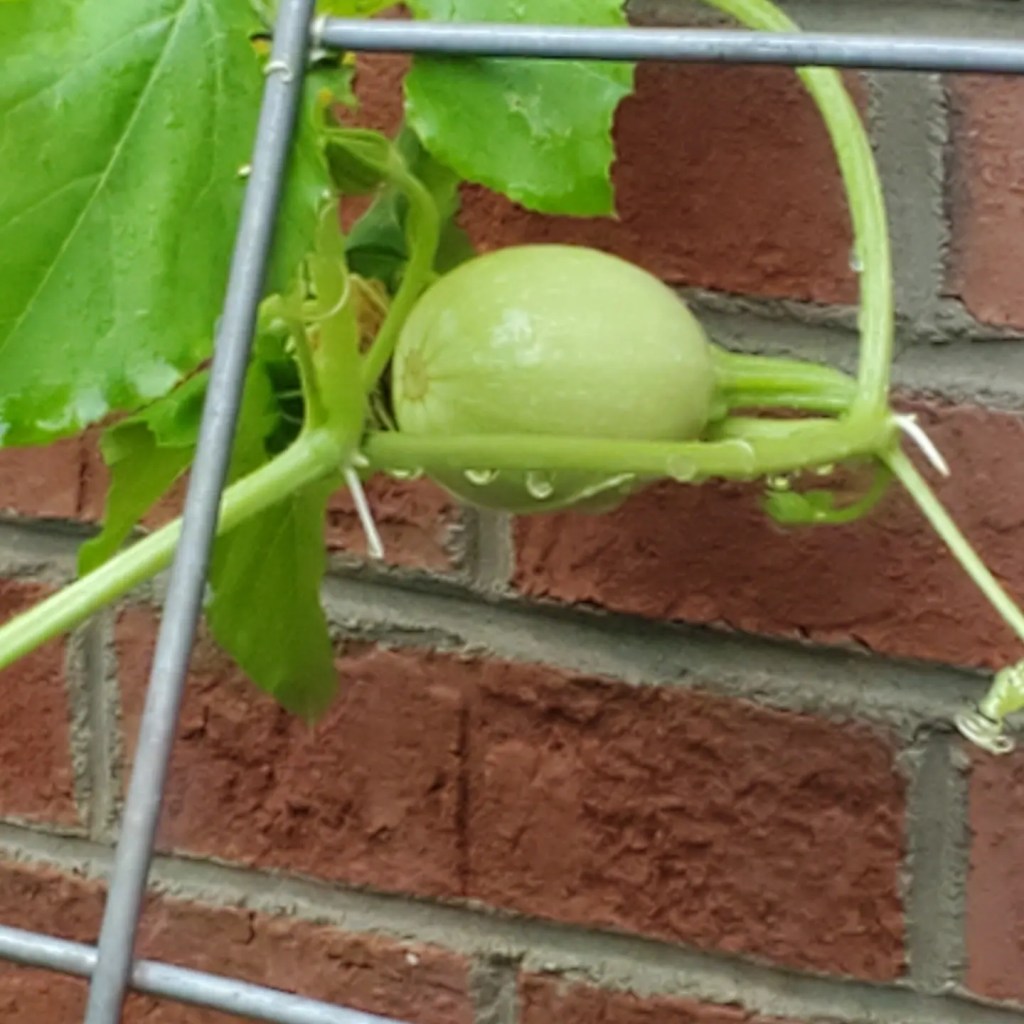
I figured out some ways to make the watering less labor intensive. It takes me about an hour to get everything watered and, with the hot days we’ve been having, I was having to water every day. I ordered a new sprinkler and a timer and started re-arranging my pots to make use of soaker hoses. As soon as everything arrived, it started raining. The effort was not wasted though — we sure needed rain, and, after all, that IS the most efficient way to water a garden!
On top of that, tonight I saw a couple of fireflies! I love firefly season.
TAKE STOCK – CATCH UP
We haven’t taken time for a catch-up week for a while so let’s do that. This will give us the opportunity to re-visit the weekly assignments and take care of anything we might have missed.
In Week 17 we were to Take Stock of our personal attitude toward Food Storage.
In Week 18 I was busy in the garden and didn’t post a new topic.
In Week 19 we were to Take Stock of our garbage to determine if we are using our food resources wisely.
In Week 20 we were to Take Stock of our food storage to determine what we are able to do with the food we’ve stored and would our families actually eat it.
In Week 21 I was busy in the garden again – hmm, I’m sensing a pattern here.
In Week 22 we were to Take Stock of our Food Preservation skills and supplies.
In Week 23 we were to Take Stock of how well we are using our Powdered Milk storage.
In Week 24 we were to Take Stock of our dependence on Technology in relation to our Self-Reliance and Preparedness goals.
Click on each link to review the last few weeks of posts. Find anything that you perhaps felt rushed on and fill in any holes in your preparations.

TAKE STOCK – WEEK 24
Things sure have changed over the decades as far as the availability of information to help us with our Self-Reliance and Preparedness goals. This week let’s TAKE STOCK of our dependence (over-dependence?) on technology for this information.
In the not-so-olden days, we spent serious amounts of time and money gathering information from books and classes to determine What was needed to prepare our families for potential emergencies and disasters and then more to learn How to use it.
Today, we just say “Hey Google” and get an answer right away. Now, rather than scour books and websites, or take a class, we can watch a You Tube video.
Have we become too dependent on technology for this assistance?
Relying solely on Google, You Tube, and the Internet could cause problems. When the electricity goes off or your Internet connection is down, “Hey, Google how do you stop bleeding / stay warm when the heat goes out / cook over a campfire” is met with silence and you are on your own.
Perhaps as we TAKE STOCK of how dependent we have become on getting our self-reliance, preparedness, and food storage information from on-line sources, we will discover the need to create hardcopies of the Knowledge we do not want to be without.
(For those who’ve been with me awhile, yes, this is a re-vamp of a post from 2021 but it’s important so I’m including it in the Take Stock series, too).
THINGS ARE PROGRESSING NICELY
One of the things that makes gardening fun is when you start finding new discoveries nearly every day.
The return of 80 degree temperatures has done wonders for the plants in the garden.
The tomatoes have blossoms, the apple trees have apples, the squash plants are vining and/or have squash blossoms, the pea pods are filling out, the nasturtiums, petunias, and snapdragons are each sharing their beautiful blooms.
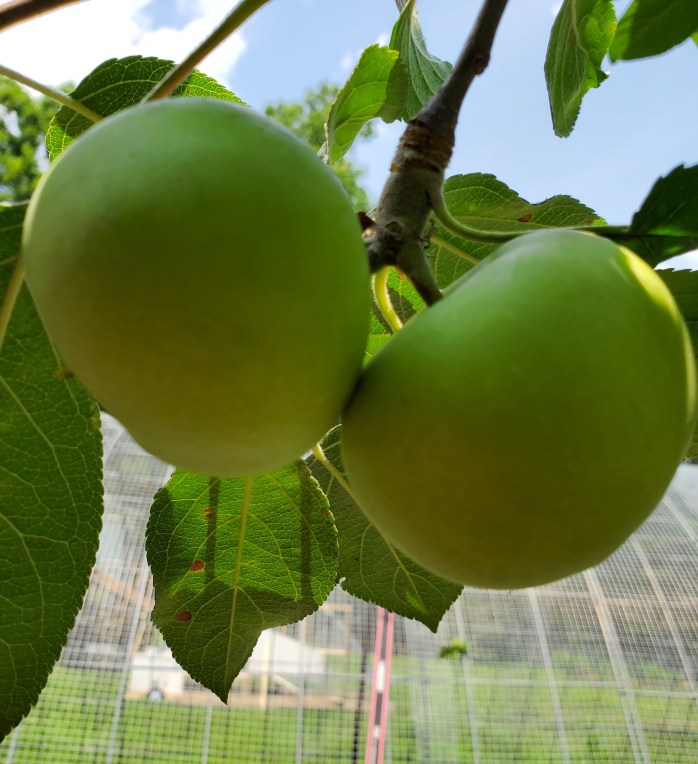
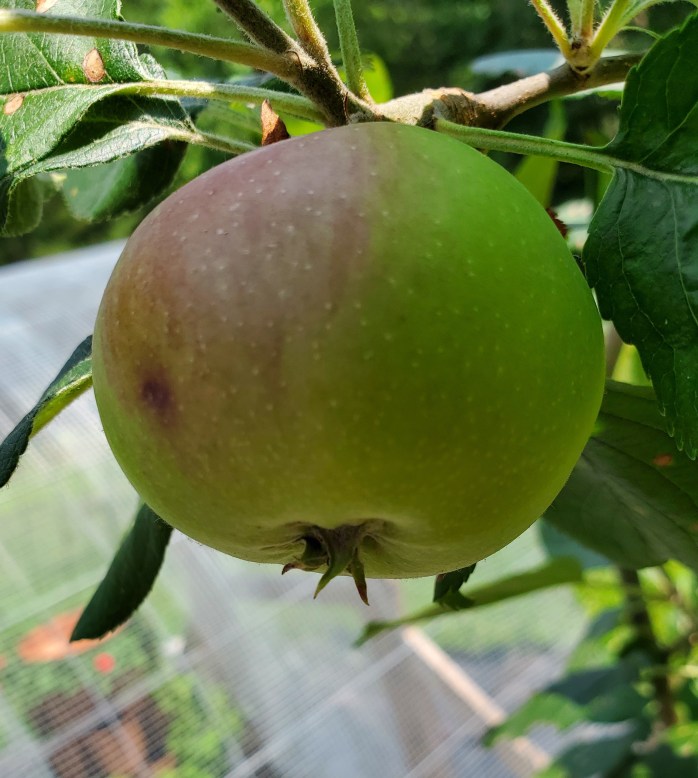
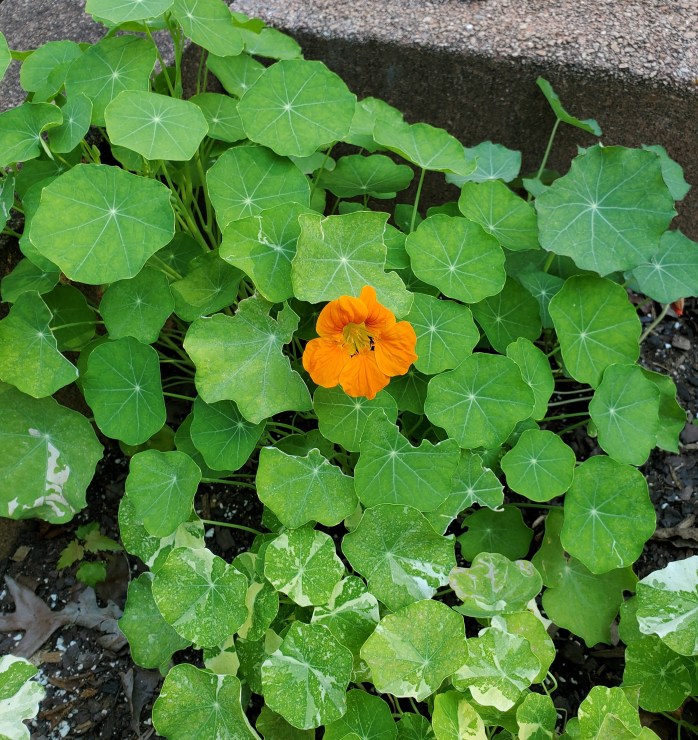
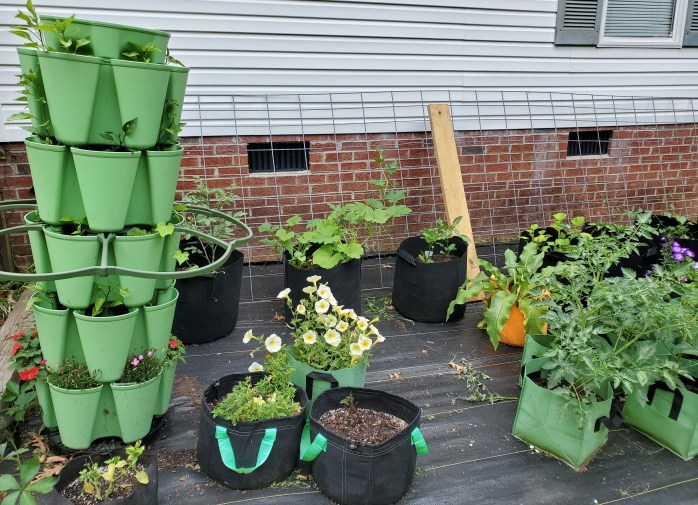

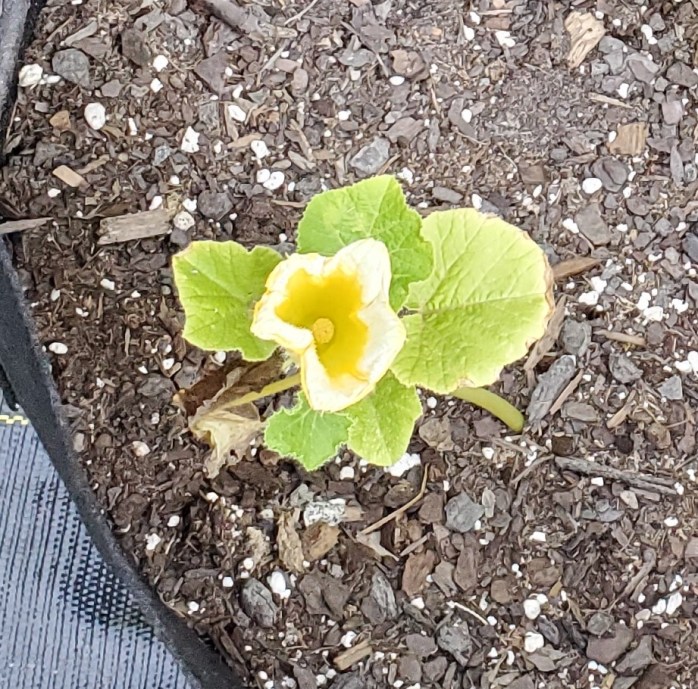
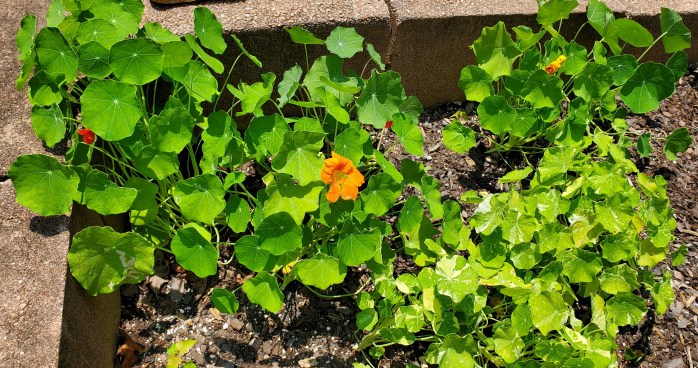
The garden is not in full swing but it sure is showing signs of a promising harvest.
It is not without concerns though. As previously reported, the corn failed. The basil and marigolds also failed (how do marigolds, one of the easiest things to grow, just up and die?). I found Japanese Beetles on the apple trees, so they got a treatment of Neem Oil.
The failures and the successes are all part of growing a garden. Every season is for learning new lessons.
One exciting development is I finally found a filtration system to handle at least one of my water problems. I had a Sidewindr™ filter installed by Action Well & Pump to reduce the magnesium level, and subsequently the rust color and sludge, that has infiltrated every appliance, sink, toilet, shower, and article of clothing in my house. While correct amounts of magnesium in water are good for you, my water has so much it was deemed undrinkable. I have been living with it for 10 years as every filter I researched over that time period did not provide a solution. Until now.
It will take a couple of months to completely clear the deposits from my water lines, but I saw a difference in the water almost immediately. I’ve spent the last couple of weeks cleaning out the toilet tanks and trying to scrub the deposits out of the dishwasher and washing machine. I say “trying” because I’ve not had much success. I haven’t given up yet but have accepted that I may need to replace them. I also still need to drain my water heater. The last time we did that (pre-pandemic), the bottom level was nothing but orange sludge. Yuck.
After a couple of months, I will send a water sample to the County to see what improvement has been accomplished with just this unit. I’ll decide if anything else needs to be done at that point.
My hopes are high that we are on the right track!
TAKE STOCK – WEEK 23
Food Storage guidelines indicate we should store powdered milk – 24 pounds per person. Naturally, this assumes you aren’t dealing with a dairy allergy. As always, your food storage needs to fit your family.
This week TAKE STOCK of how well you are USING your powdered milk storage.
The optimal shelf life of properly stored powdered milk is 3-5 years. After that, though it retains much of its nutritional value and is still usable for 10+ years, the flavor begins to deteriorate. This storage item definitely needs to be rotated frequently.
So, if your family is not drinking powdered milk (insert personal “blech” here), what else can you do with it? You might be surprised!
These recipes have been tested and they are quick, easy ways to replace common grocery store items:
Evaporated milk:
https://www.food.com/recipe/evaporated-milk-39562 (this one’s useful especially when you need less than a full can)
https://www.food.com/recipe/evaporated-milk-71192 (this one works better if you are using it in a stovetop recipe; the butter keeps it from sticking to the pan
Sweetened Condensed milk:
https://www.food.com/recipe/copycat-bordens-sweetened-condensed-milk-73863
Cream of {anything} soup:
https://www.food.com/recipe/condensed-cream-of-soup-mix-homemade-substitute-clone-55408
Buttermilk or Sour milk:
1 cup water
2/3 cup powdered milk
1 tablespoon vinegar or lemon juice
Mix thoroughly.
Whipped Topping:
1 c non-instant powdered milk
3 c water
3 T honey
Mix in blender, put in shallow tray and freeze until solid.
To serve, break into small chunks and stir with whip or beat with mixer at slow speed until soft.
Yogurt:
Yogurt can be used to substitute for sour cream in dips, dressings and sauces. You can make fruit smoothies, frozen yogurt, and even cream cheese. This recipe was easier than the “oven method” of making yogurt and doesn’t require an additional piece of equipment (yogurt maker). The resulting product was tangy and creamy.
Blend 1½ cups non-instant powdered milk and 8 cups water thoroughly with mixer whip or in a blender.
Pour into 4-qt crockpot, cover and cook on low for 2½ hours. Turn off crockpot and let sit for 1½ hours.
Take out about 2 cups of warmish milk and whisk in ½ cup of plain, live-culture yogurt from the grocery store (a 6 oz container is just fine). Pour mixture back into the crockpot. Cover and wrap in heavy bath towels. Let sit overnight or at least 8 hours.
Put in a container and into the refrigerator. Keeps for 7-10 days. Save ½ cup as starter for your next batch.
Cream Cheese:
1½ to 2 cups plain low-fat yogurt (use the yogurt you made!)
Set a medium strainer/colander over a bowl. Line the strainer with 2 layers of cheesecloth (or paper towels, or coffee filter). Add the yogurt and cover with the cheesecloth. Place a plate on top of the yogurt and put a #2 can on the plate (to weigh it down).
Refrigerate at least 4 hours. The liquid that drains from the yogurt is whey.
Scrape the cheese into a container and refrigerate until ready to use.
The list goes on but this will get you started. Which recipe will you try out?
TODAY’S DISCOVERY
We had another sunny day, so I wandered the homestead checking where I needed to water (very few places).
While fertilizing the berry bushes, look what I discovered:
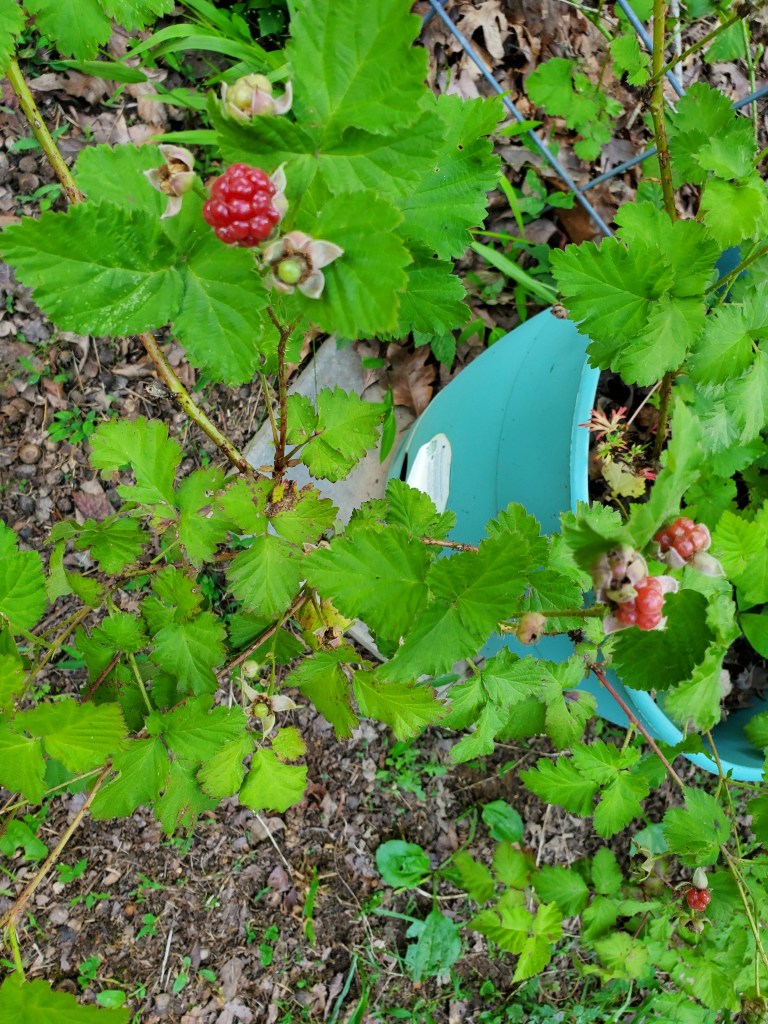
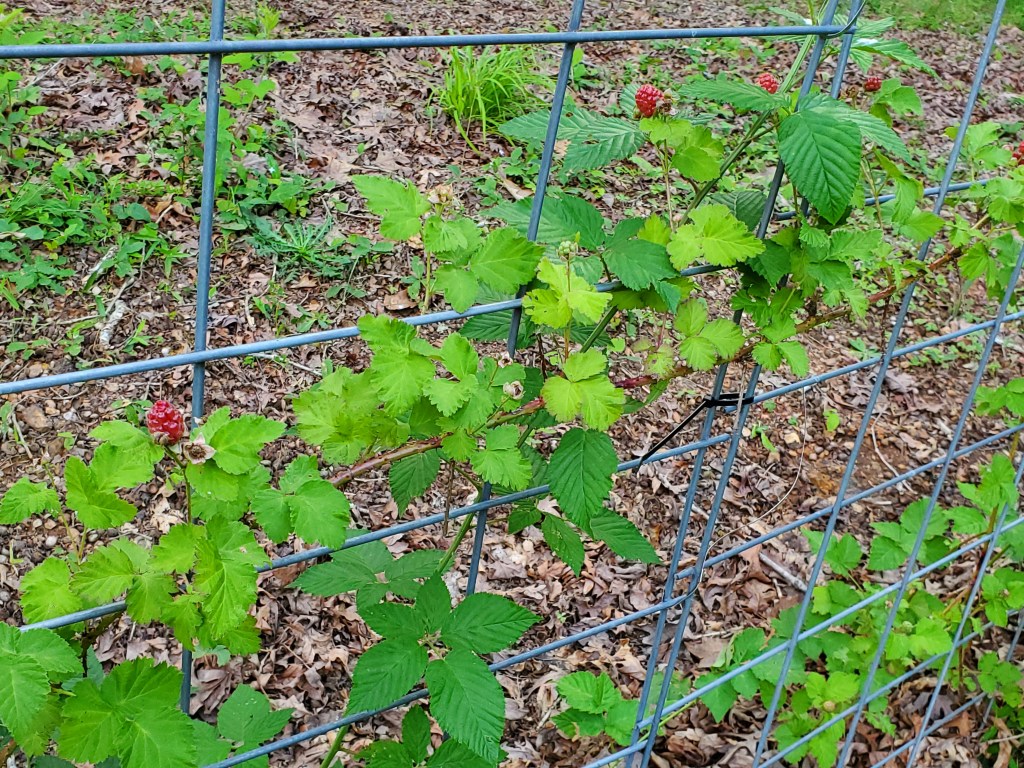
There are berries on the boysenberry bushes!
I planted these in Spring 2021 and Spring 2022. Last year they had flowers that didn’t become berries but this year there are BERRIES!
I will let the birds have them this year. Next year though, I will be getting netting to save them all for ME!
Actually, this fall I plan to move them to a different area (a benefit of container gardening). Currently, they are on the edge of my property. The neighbor’s ground has blackberry suckers that, while they don’t mind if we mow them down, have become a lot of work to keep under control. Boysenberries cannot have blackberries (or raspberries) nearby so we will just move the boysenberries until we can eradicate the blackberries.
That’s the plan.
PEAS PLEASE
After enduring several days of rain (yes, I’m grateful to have someone else water the garden), the sun came out today. I took advantage of the break in the weather and checked to see if the sunflower seeds had made any progress (not really but maybe two or three germinated?).
While there I noticed:
PEA PODS!
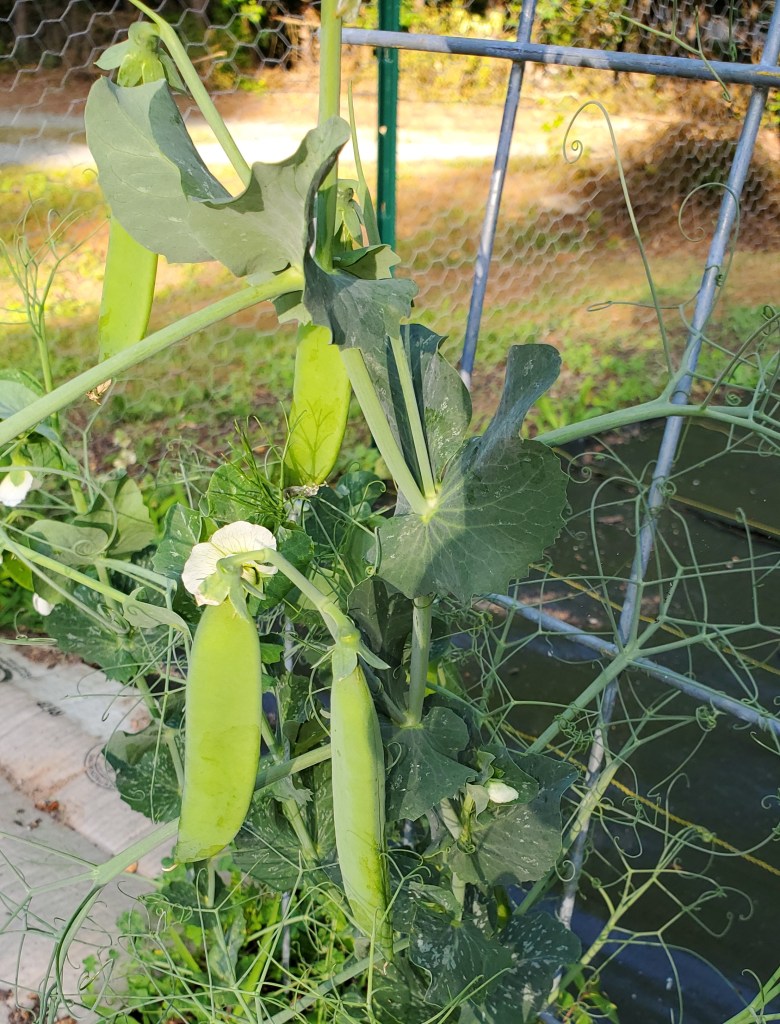
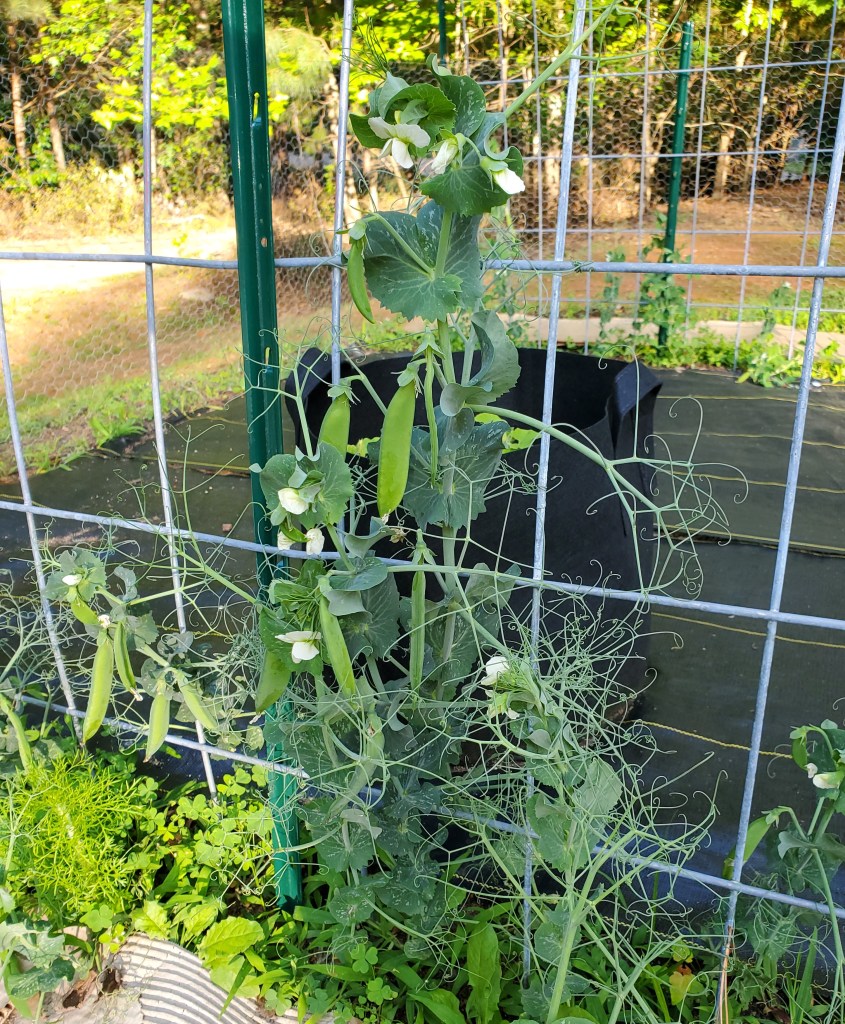
Despite all the challenges this garden bed has had this season, I have pea pods. How exciting! They are not filled with peas yet but they sure are welcome sight.
The garden is sure a good place to learn about faith and hope. It doesn’t matter how many times I plant a seed, I do so with faith, hope, and a bit of trepidation. Then, when a plant emerges, I’m surprised. It’s a miracle! I don’t know why it’s such a surprise, it’s happened before. When that plant produces flowers, vegetables, or fruit I feel amazed and grateful. The garden lets me experience, again and again, what can be accomplished with a little bit of faith, along with the effort to plant a seed and nurture the plant. What a blessing.
This morning I was able to visit with an old acquaintance:
BETSY
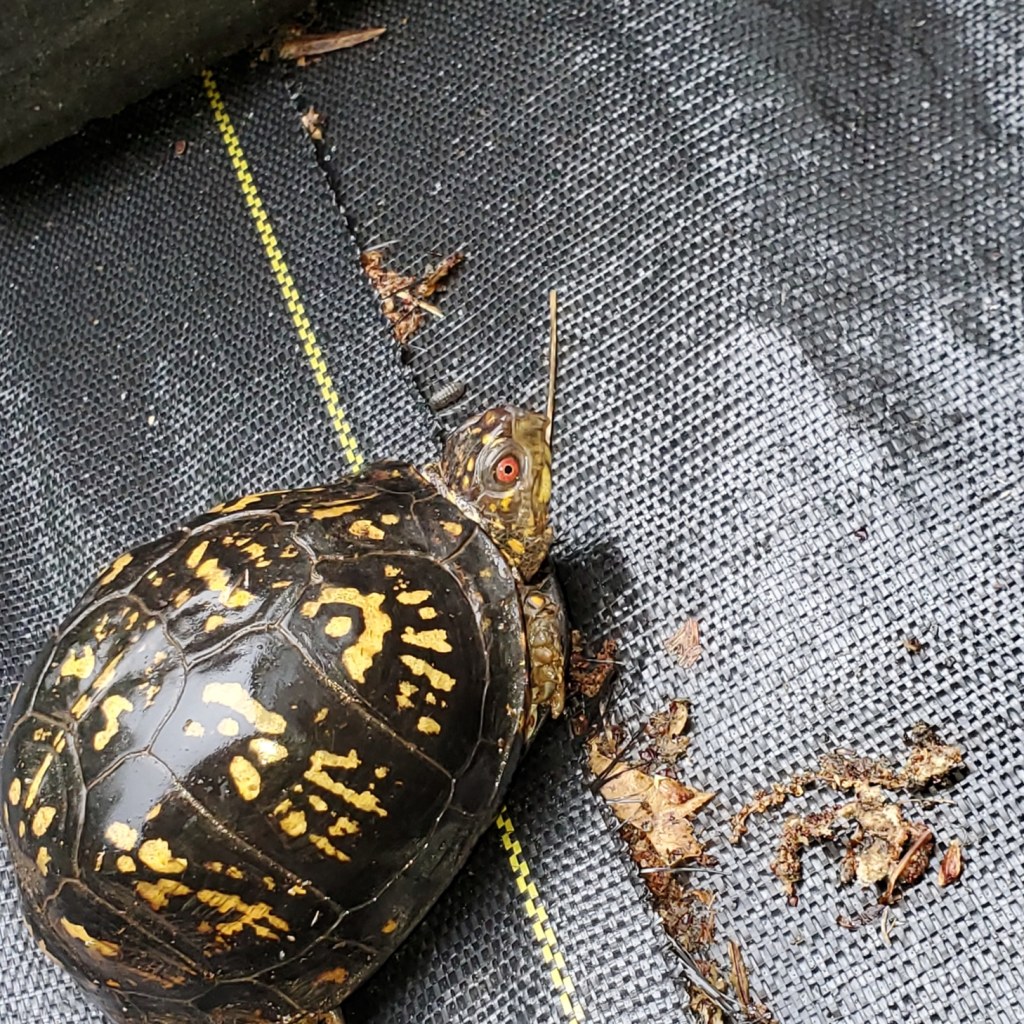
Betsy, an Eastern Box Turtle, has visited the homestead several times over the years. She stops in every two or three years. The years I don’t see her, I see Benny. His shell has more speckling.
Turtles have been a favorite of mine since I was a young child. It’s special to live in a place where they just wander through the yard.
THE RESULTS ARE IN!
Last week, Chronicle Farm brought four goats to clear the underbrush from the tree line in front of my house.
You’ll be amazed at the transformation in just one week….
Click through these BEFORE pictures.

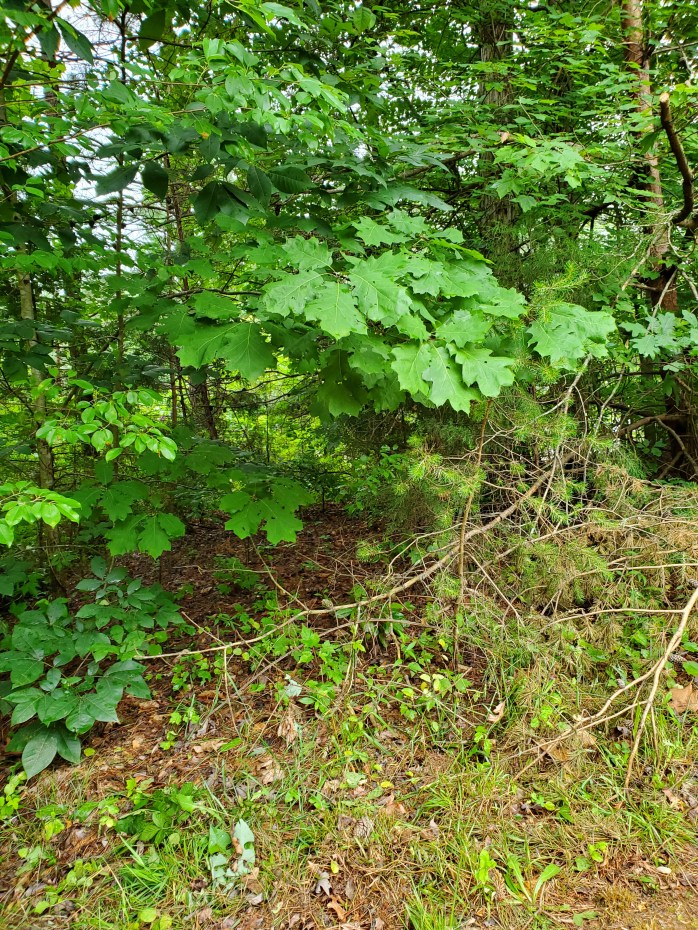
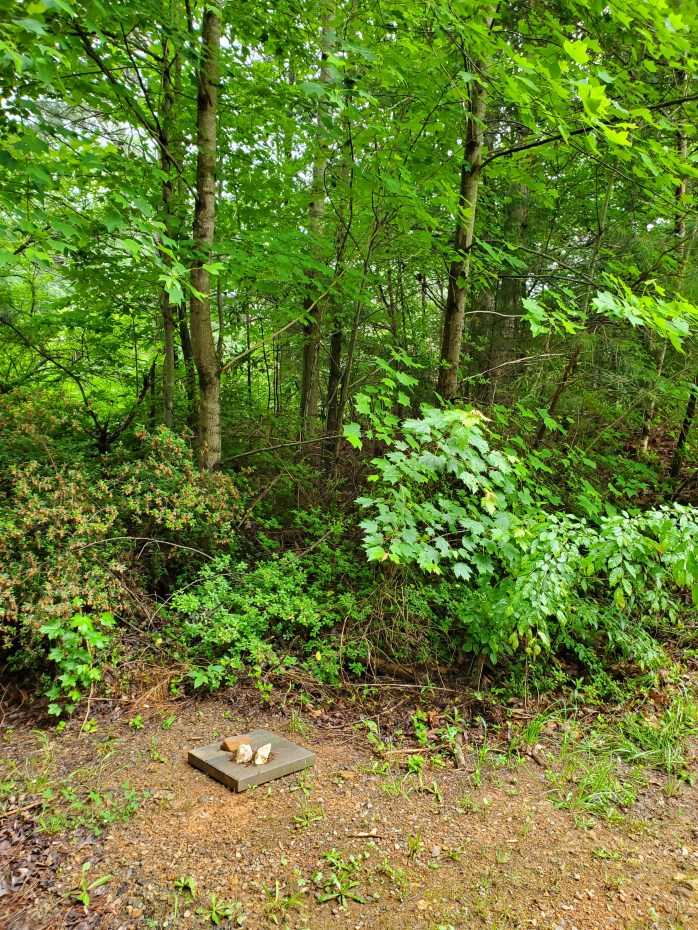

Now, check out what a difference the goats made!
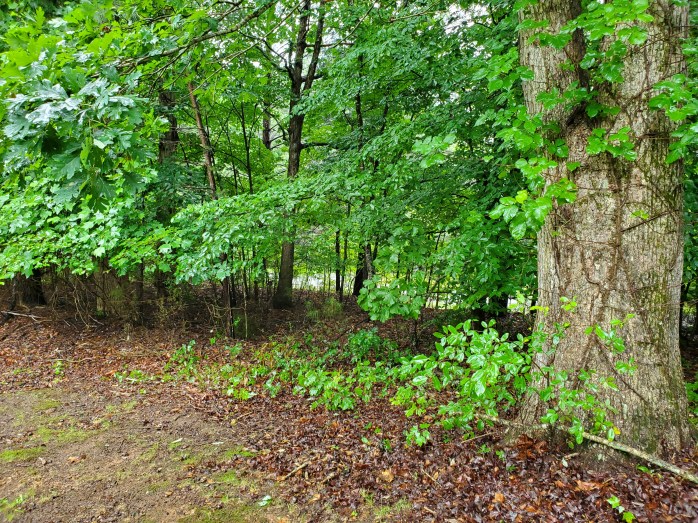


I can see through to the road now and the whole view from the house is much lighter.
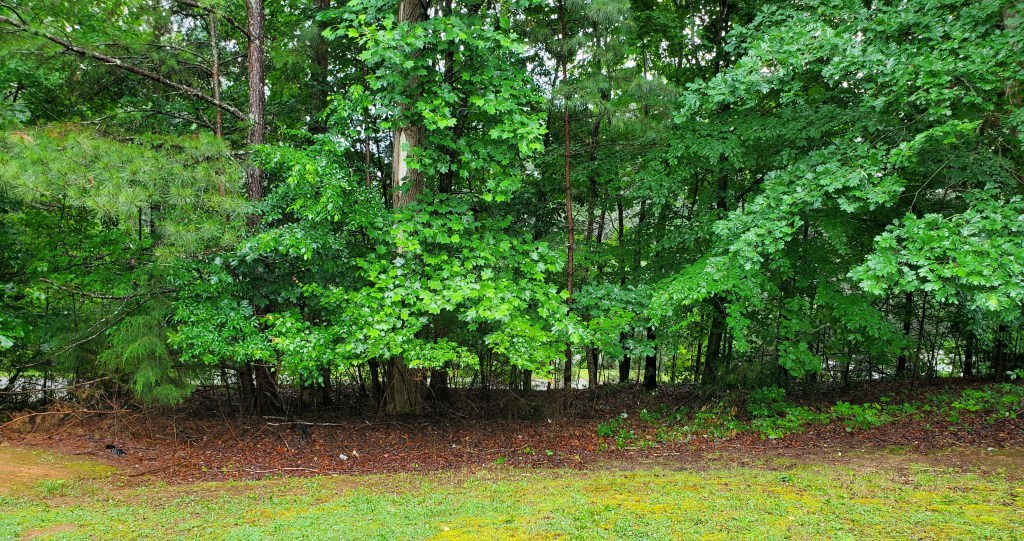
I sure am grateful I didn’t have to clear this out myself!
I plan to have Chronicle Farm bring them back in the fall to clear out the back of my property and prepare it for fencing.
GO GOATS!
I HAVE GOATS!
I did it – I finally have goats.
Admittedly, I rented them but that doesn’t diminish the smile on my face every time I look out the window and see them.
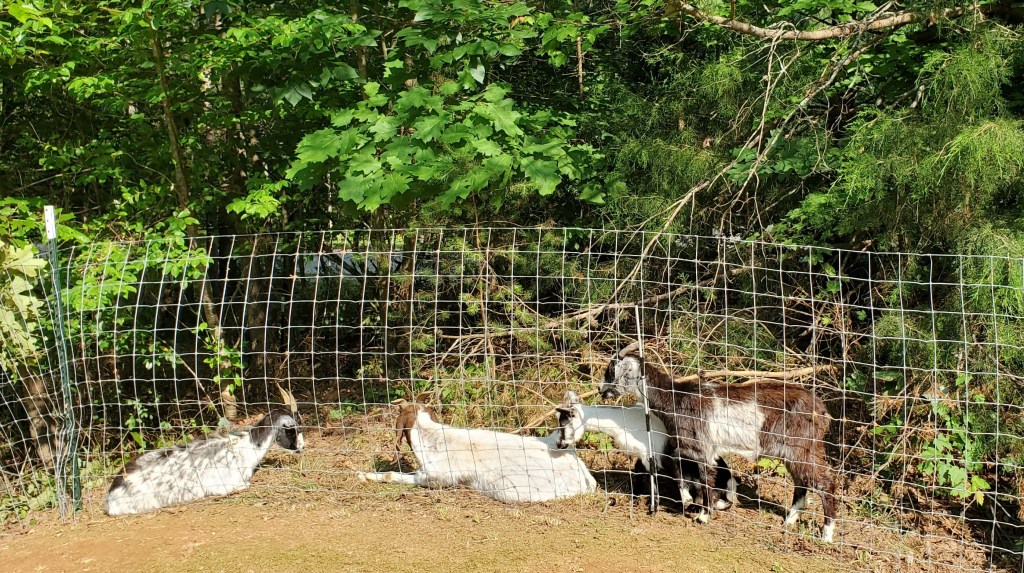
Meet S’more (Alpine), Lucy (Boer), Oreo (Nigerian Dwarf), and Stacy (Alpine)
When I moved to North Carolina almost a dozen years ago, I was astonished (and disappointed) that no one here rented out goats to clear land. In Wyoming, it was a lucrative business that even the U.S. Government and the Cities and Counties contracted with to clear waterways and weedy fields.
With the invasive Kudzu and Wisteria that abounds in North Carolina, hiring goats to clear overgrown land sure is needed. I don’t know why it took so long to catch on here, but I jumped up and down with excitement when Chronicle Farm announced they would begin the service this Spring.
Chronicle Farm makes having goats like having grandchildren. They are the goat-parents. Not only do they do the hoof trimming and health maintenance, but they also transport the goats, put up the fencing, and provide them with shelter when they are contracted out. I’m like the grandma – I just get to enjoy them and watch them.
Once inside their new enclosure, “my” goats wasted no time acquainting themselves with the area — they immediately started munching.
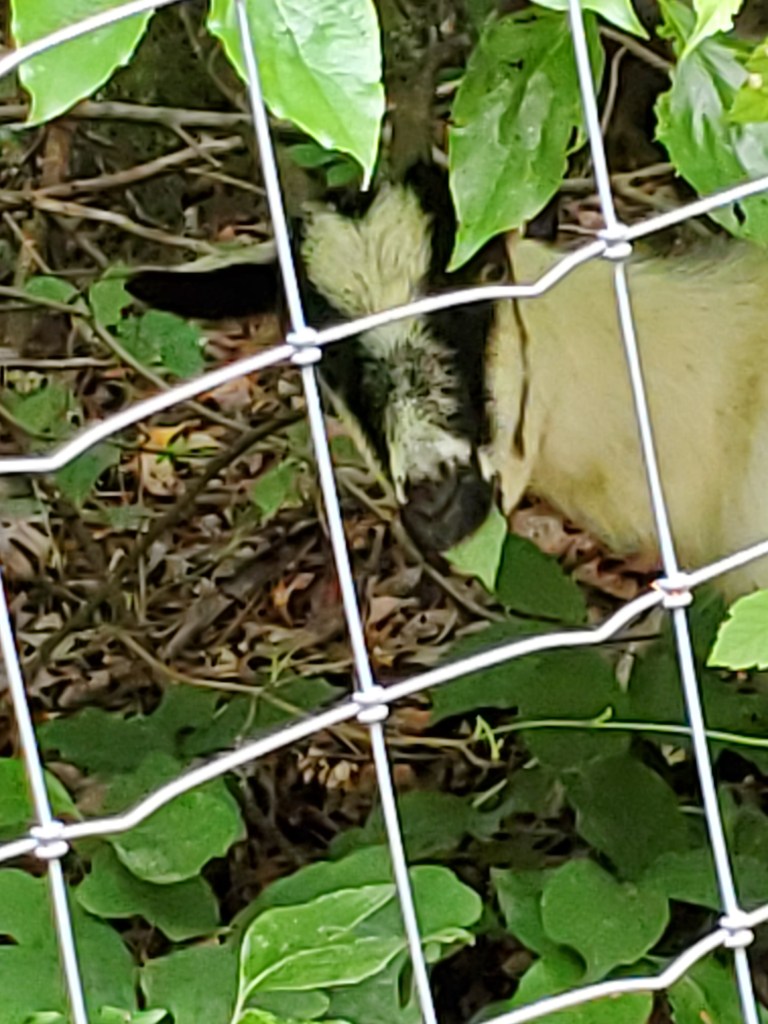
Munching away!
Next week I’ll post before and after pictures of the area!
 Two Chickens Homestead
You must be logged in to post a comment.