CATCHING UP WITH THE POTATOES
Last weekend my focus was on covering the in-ground garden where the weeds outpaced the corn to the point of no return.
While watering everything though, I noticed that it was time to add dirt to the potatoes.
Following the process for planting potatoes in pots, I put 3 inches of soil in the bottom of each pot, added the seed potatoes, and covered them with dirt. After the leaves sprout and grow to about 3-4 inches high, the foliage gets covered with more dirt, leaving about an inch of greenery. Let it grow again until the exposed plant is 3-4 inches high and add more dirt. Repeat, repeat, until the pot is full. Each addition of soil encourages more root growth, resulting at the end with more potatoes.
Well, Saturday, they had grown almost high enough, so I figured Tuesday would be about right for the next installment of dirt.
On Tuesday, it was stormy so that didn’t happen.
It didn’t get done Wednesday either.
I was determined to take care of it tonight (Thursday). I walked around the house to see:
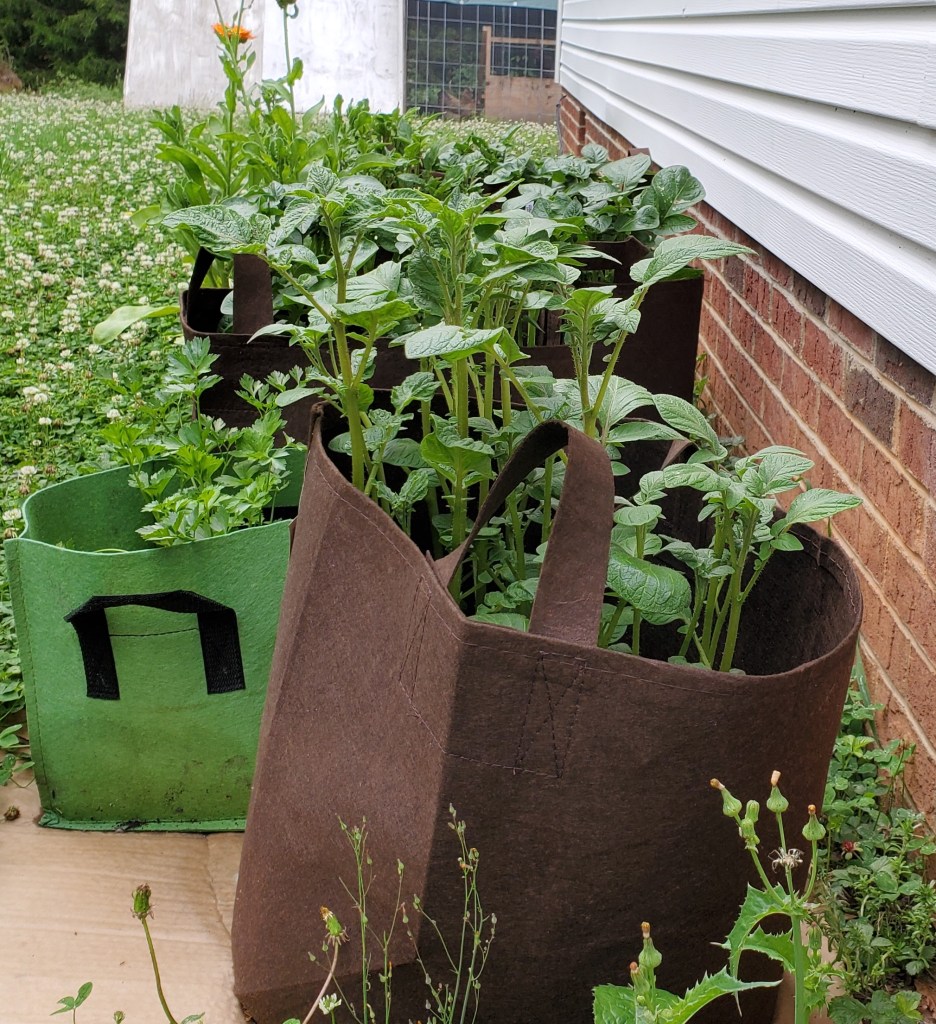
They have grown above the rim of the pots! So much for step-by-step: I ended up adding about 10 inches of dirt to each pot.
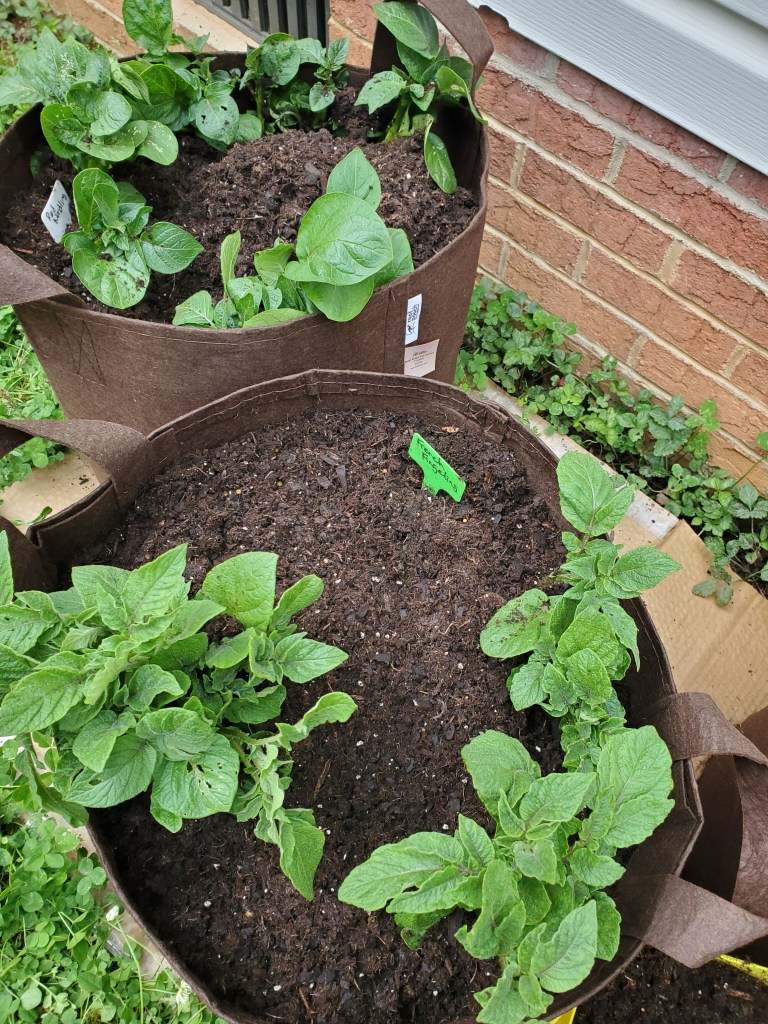
Somehow I continue to be surprised by how plants just “take off” growing here.
TAKE STOCK – WEEK 20
There are many ways to approach Food Storage. The old-time way was to get a year’s supply of four basics: wheat – salt – honey – milk.
That evolved into a more rounded program that looks something like this list which shows the pounds per person of each item you need for a year supply:
GRAINS
Wheat	       150
Flour	        25
Corn Meal	25
Oats	        25
Rice	        50
Pasta	        25
Total Grains   300

FATS AND OILS
Shortening	 4
Vegetable Oil	 2
Mayonnaise	 2
Salad Dressing	 1
Peanut Butter	 4

LEGUMES
Beans, dry	30
Lima Beans	 5
Soy Beans	10
Split Peas	 5
Lentils	         5
Dry Soup Mix	 5
Total Legumes	60

SUGARS
Honey	         3
Sugar	        40
Brown Sugar	 3
Molasses	 1
Corn Syrup	 3
Jams	         3
Powdered Fruit drink	6
Flavored Gelatin	1
Total Sugars	60

MILK
Dry Milk	60
Evaporated Milk	12
Powdered Eggs	 4

COOKING ESSENTIALS
Baking Powder	1
Baking Soda	1
Yeast	      0.5
Salt	        5
Vinegar	      0.5
If this is the approach you have taken to your family’s Food Storage, it’s time to TAKE STOCK of what you are really able to do (make) with these commodities.
Also TAKE STOCK of if your family members will actually eat it.
Yes, you need to consider including these types of items in your food supply, but if you can’t live on them, you may not be as prepared as you think.
You know your family — Do you need to find a different path?
PLAN B, OR IS IT C OR … J?
I’ve given up on the new corn “field.”
I had read that it can take more than one try to successfully grow corn. This was my second year, so I was hoping for more success this year.
We planted about 100 corn seeds in the new section of the in-ground garden April 15th. After four weeks, all that grew was 7 corn stalks ,,,and a whole lot of weeds.
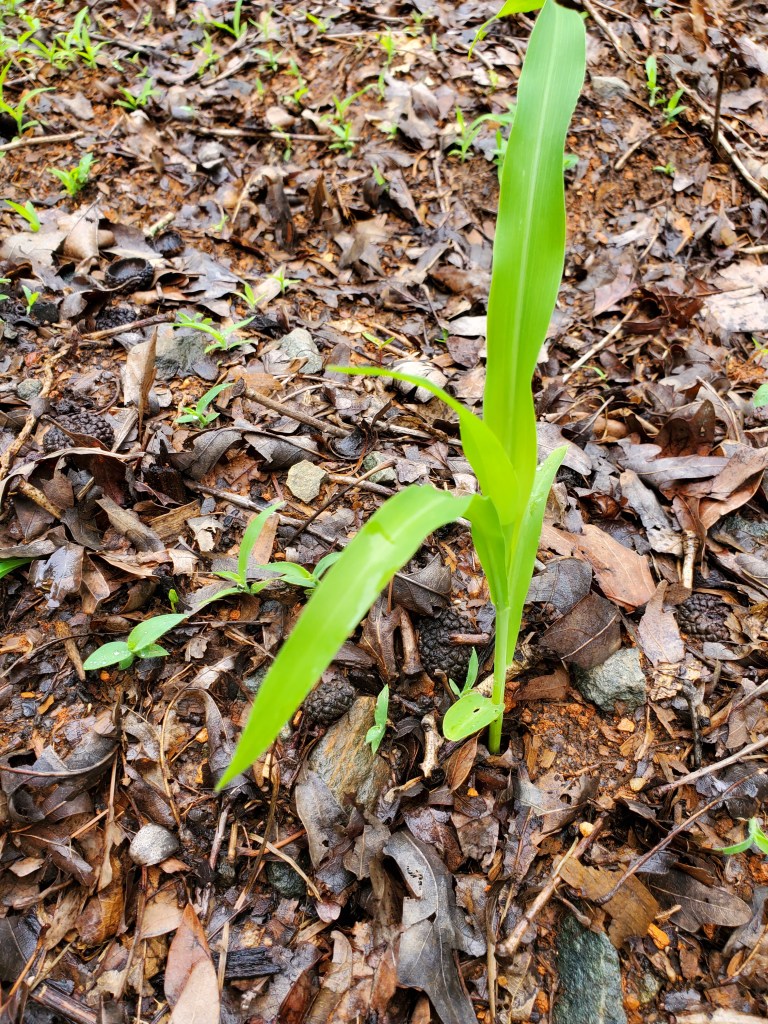
7 whole corn plants sprouted
and a whole lot of weeds …
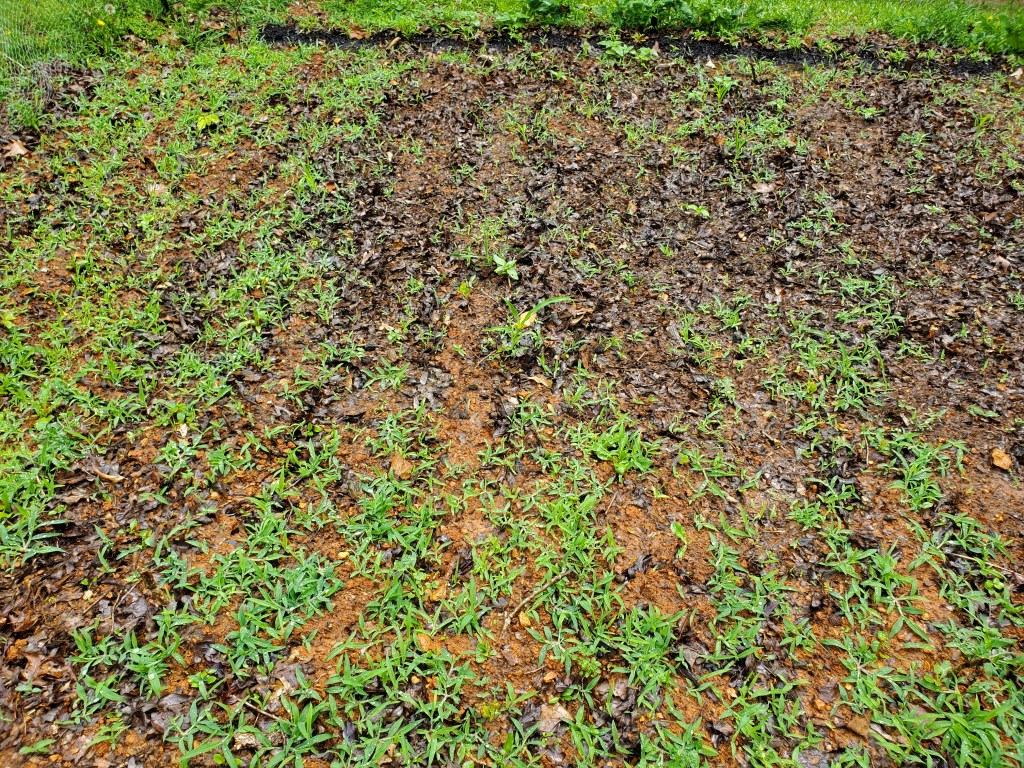
Weeds, weeds, and more weeds
The amount of leaf mulch we put on the bed should have been sufficient to control the weeds until the corn sprouted and grew enough to outpace them. Obviously that was a false concept.
I ran a cultivator in between the rows but that seemed to cause the weeds to explode and spread even more.
I’m declaring it a dismal failure.
Don’t worry, I didn’t do so without considering other options. I considered pulling the weeds out and re-planting but with the boundless amount of unwanted plant material there was, and my reduced mobility, I had to accept that was not a realistic course of action. I considered laying down cardboard and mound dirt to create rows, like I did last year, but, since we are still unable to use the truck to bring in bulk soil, I realized the amount of bagged soil I would have to purchase, and transport, would be preposterous.
So, now what?
I realized until I could get the weed pressure off the space, it was wasted effort to plant anything. So, I just covered it with cardboard and will let that sit in place to try to kill the weeds.
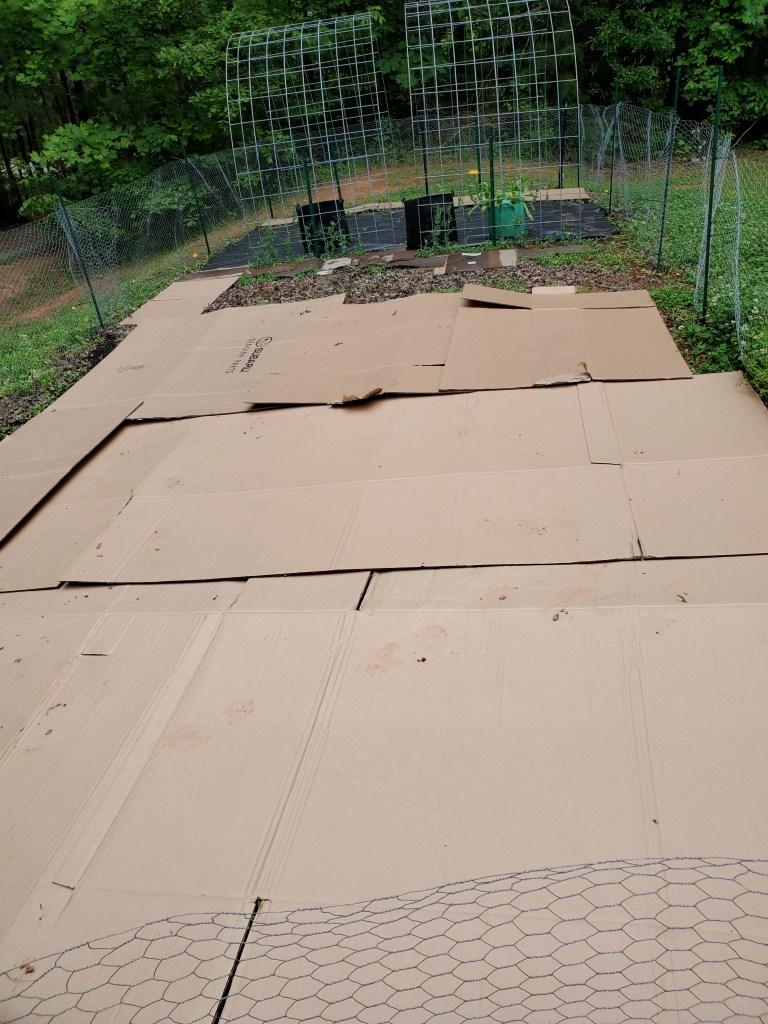
It’s a good thing I have a source for cardboard
If that’s successful, I may consider planting fall crops in the space, but we’ll cross that bridge when we come to it.
TAKE STOCK – WEEK 19
This week, let’s TAKE STOCK of our garbage.
Provident Living includes using our resources wisely. As prices continue to rise, this is becoming more than a platitude – it’s essential. One way to see if we are using our money, food, and time wisely when it comes to feeding our families is to check the garbage can.
What is in your garbage?
Are there a lot of take out containers? While there are times when eating out is a viable, sometimes necessary, option for feeding our families, fast food and restaurant food is more expensive and often less nutritious than food made at home.
Are there a bunch of expired leftovers (aka science projects) cleared out of the refrigerator after they were not eaten? Think about how/why that happened.
Are there a lot of boxes and bags from convenience foods? Convenience food from the grocery store, like take out, is more expensive and. again, often less nutritious.
Everyone’s circumstances are different, so this is solely your call: does your garbage show that your household is using your food resources as prudently as possible? If not, call a family council to discuss what using your food dollars effectively looks like in your family and how / what to change so more of your food dollars are going into your family’s bellies – instead of the garbage can.
∞ ∞ ∞ ∞ ∞ ∞ ∞ ∞ ∞ ∞ ∞ ∞ ∞ ∞ ∞ ∞ ∞ ∞ ∞ ∞ ∞ ∞ ∞ ∞ ∞ ∞ ∞ ∞ ∞ ∞ ∞ ∞ ∞ ∞ ∞ ∞ ∞ ∞
Provident living is “joyfully living within our means, being content with what we have, avoiding excessive debt, and diligently saving and preparing for rainy-day emergencies. When we live providently, we can provide for ourselves and our families and also follow the Savior’s example to serve and bless others.” – Elder Robert D. Hales
A LITTLE HERE, A LITTLE THERE
The past week has been a continuation of doing a little bit each night after work. The result of these small steps is that most things are planted, and my work area has been cleared up.
This weekend was for discoveries.
The potatoes have begun to make an appearance:

The peas are growing, and some have even learned to grab onto the trellis:
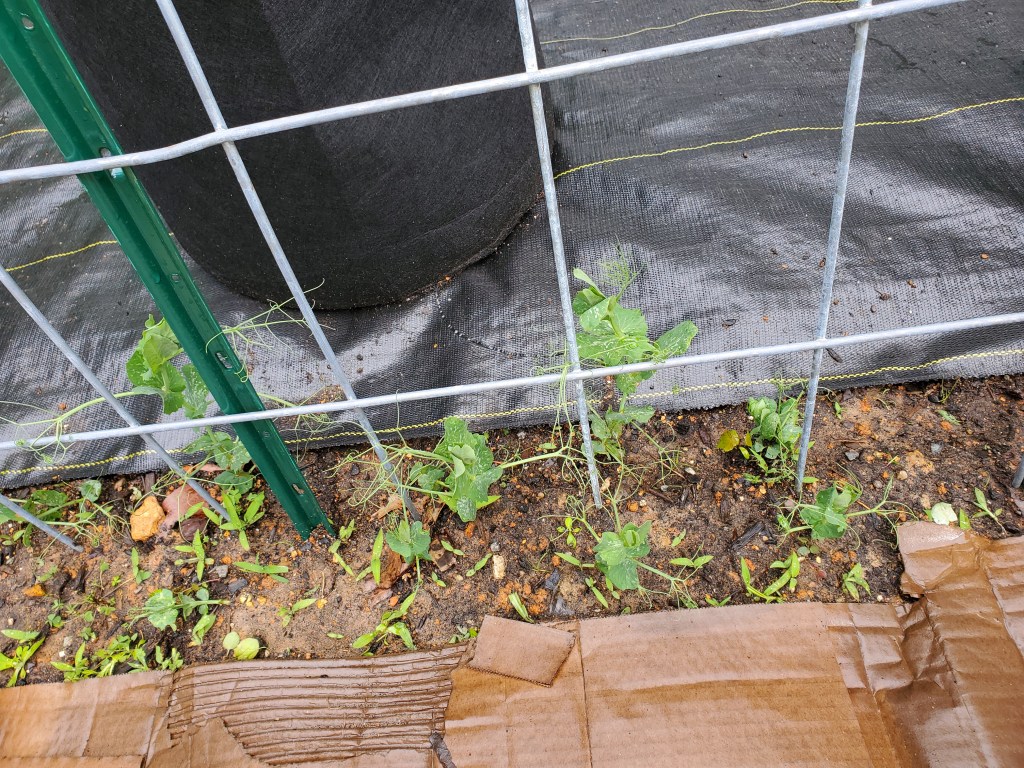
Quite a few of the nasturtiums have survived the incursions of the squirrels (digging holes in the bed) and chickens (scratching and pecking where they weren’t invited):
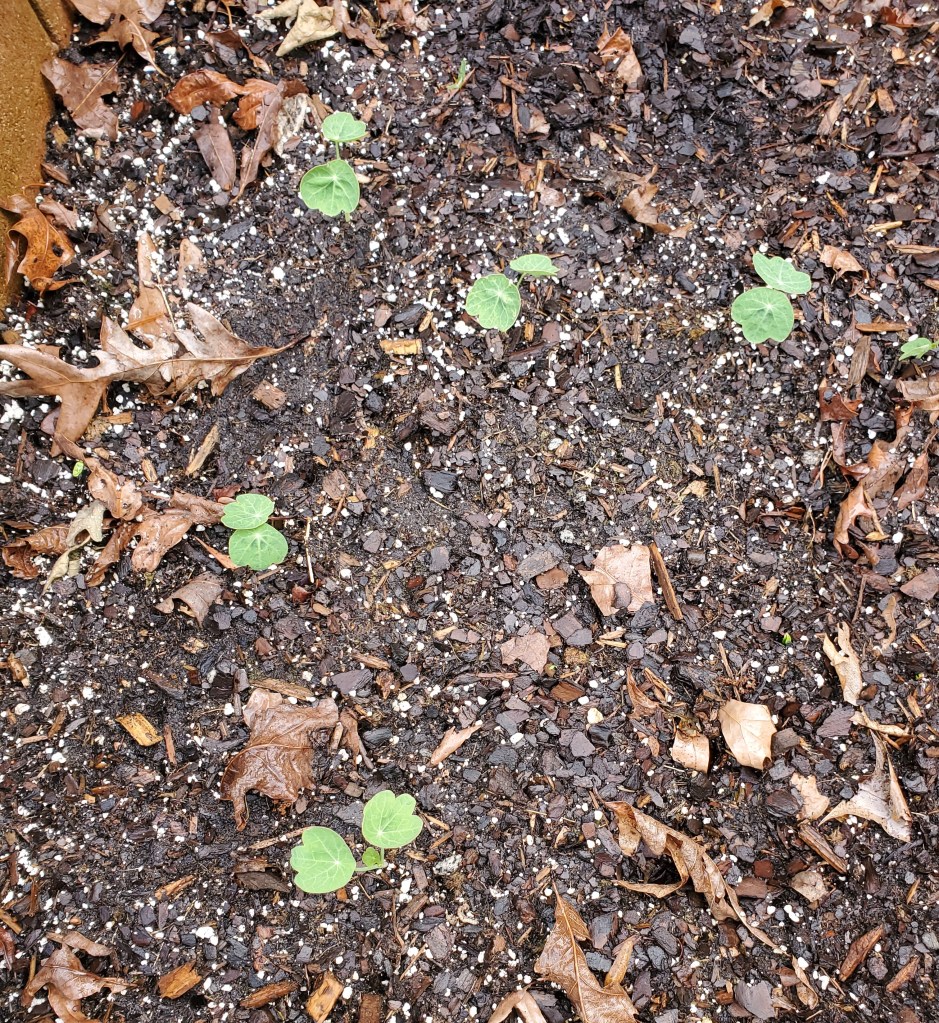
Things like this are little rewards for the hard work of the past couple of weeks!
In other news …
The mouse wars are continuing but the tides have turned, and us two-legged warriors are winning. Since the cleaning and peppermint incident, we have caught 5 mice in the trap!
A SURPRISE!
While I was watering tonight, I came across a wonderful surprise:
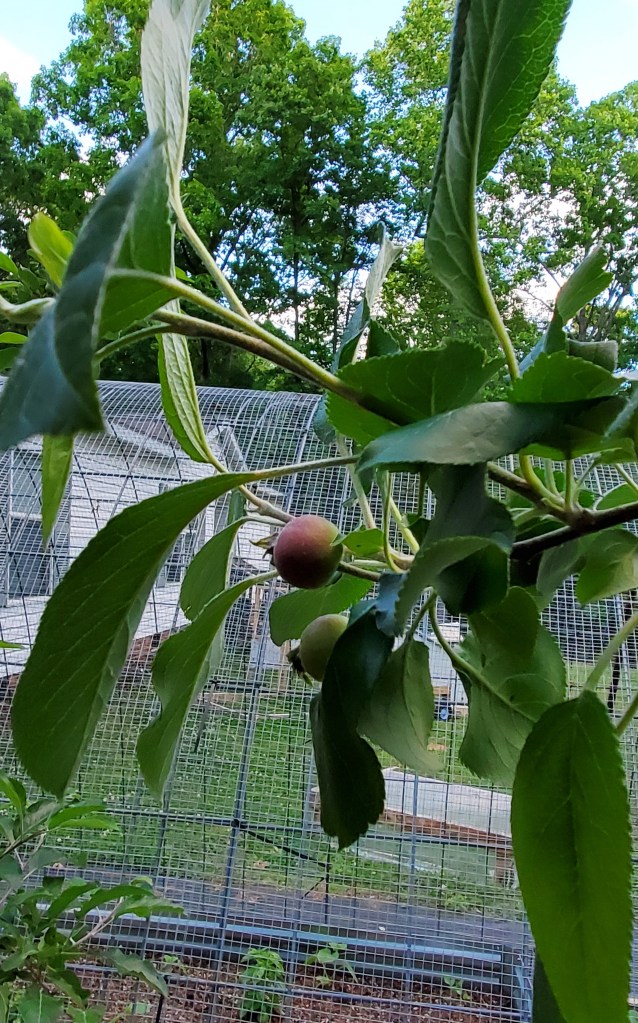
We have our first apples!
It was very exciting to find these two gems on one of the apple trees we planted back in November 2020.
I OVERDID IT
A few weeks ago, I started hearing something scurrying (and sometimes gnawing!) in my walls and ceiling. Not good. Based on how loud it was, I thought squirrels had got in the attic and started looking for an exterminator in my area.
Before I called them, though, Timmy (my doxie) did his little mouse-indicator dance. We opened the door to that closet, and he excitedly inspected it, flushing out a mouse. He’s good at sniffing mice out but not catching them, so I put out my electric mouse trap (similar to THIS).
Wild mice can be terrible pests. Not only do they cause damage to your house by chewing on wood and siding, but they can also chew through electrical wiring creating a fire hazard. Even worse they can carry in fleas from outside, can carry diseases (like hantavirus, salmonella, and listeria), and they contaminate surfaces.
Not long after that, I happened to open a rarely used cupboard (under the kitchen sink) only to find a mother lode of mouse poop. I checked a couple of other cupboards where there had been mouse activity in years past and, sure enough, more mouse poop.
Disgusting!
This morning’s project was to empty the affected cupboards, vacuum them out, and disinfect them with bleach. Yes, knowing that you can get sick from cleaning up mouse droppings, we wore masks and, yes, we immediately disposed of the vacuum bag and replaced it with a new one. Then we sprayed expanding foam around a couple of pipes that were likely being used as mouse-thoroughfares.
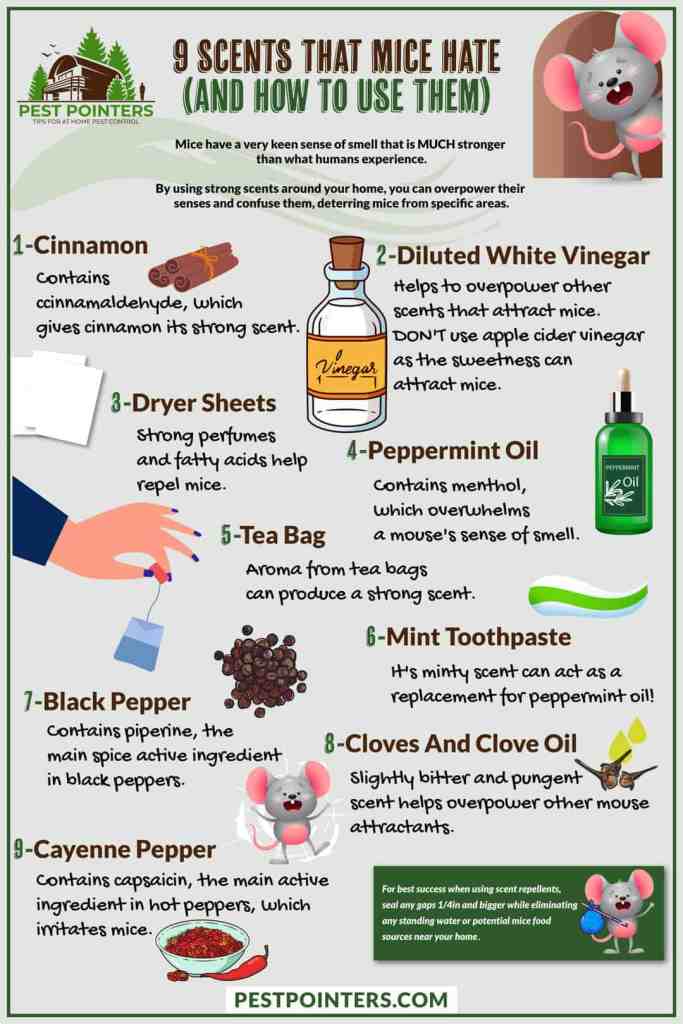
Naturally, I don’t want them back, so I was going to put cinnamon down. Cinnamon has worked great when I’ve had mouse problems in the past but this time it would have taken a Lot of cinnamon. So, I got on Google to see if there were alternative mouse repellants and discovered peppermint oil also drives mice away. I happen to have peppermint oil on hand and put a drop in the two back corners of the affected areas.
Unfortunately, because of the number of areas affected, those two drops in the areas we found mouse activity was Way Too Much peppermint oil. The level of smell is so strong that even I can smell it (I have very little sense of smell since having covid).
I can believe the peppermint oil will drive the mice away – it’s certainly driving us out of the house!
TAKE STOCK – WEEK 17
In case you’re wondering – I didn’t post my Week 16 message here on the blog because it revolved around planting your garden and I didn’t want to stress out my more northerly friends, who are still getting snow, by declaring, “It’s time to plant your garden!”
This week let’s TAKE STOCK of our personal attitude toward Food Storage.
One way to prepare our households to survive hard times is to establish a storage of food beyond what we will use today or this week.
Having Food Storage helps us when things go awry, whether in small ways or extraordinary ways. It helps when we are sick or otherwise homebound and can’t get to the grocery store. It helps when the supply chain struggles, and the grocery stores themselves have a shortage of supplies. It helps when there is job loss or a reduction in income. It helps when there is a weather event or natural disaster that affects our ability to get supplies. It helps when we suddenly have more mouths to feed than we had planned. It helps us use our food budget more effectively. It helps when someone else needs help feeding themselves. It helps ensure that the ingredients we need are on hand when we need them, even if we can’t go to the store. It helps us be more self-reliant.
Each person is at different levels of understanding the importance of Food Storage and of establishing it in their households. Some typical responses for why someone is not accepting the wisdom of having a storage of food at home include:
- Unnecessary. Some people might say, “That’s just a bunch of hooey and fear mongering. Things will be fine.”
- Later. Some people might say, “That sounds like a good idea. Maybe I’ll look into that someday.” Then let’s someday becomes never.
- Exempt. Some people might think they are exempt from doing it because: “I’m young and poor.” “I’m old and poor.” “I have no space.” “I don’t know how to get started.” “My spouse is unsupportive.”
If you fall into one of these categories, please stop and reconsider your attitude. There have been enough examples, especially in recent years, to support the concept of having Food Storage in your home. Do not let the thoughts that it is unnecessary or something to do someday or allow yourself to find any number of excuses to avoid protecting and benefiting your family.

I’VE RUN OUT
Uh-oh, I have run out of pots and dirt.
I have not run out of plants and seeds.
As I posted earlier, I took two days off work last week to plant my garden. Thankfully, the weather was perfect – sunny but not hot. Because of my back and joint pain, I could only work in short spurts and then I would have to go inside, put my feet up, and sit with ice. After an hour or so, I would go out for another work period. It seemed like taking one step forward and two or three steps back but over the course of the week, I got a lot done.
Now, this wasn’t just simply putting a plant or seed into a pot. No, since we were unable to get a pickup truck bed of garden soil from the nursery this year, I had to make dirt for my containers first. Then I had to fill them.
If you haven’t checked lately, the price of bagged dirt has jumped in price significantly. What hasn’t?! It’s nearly triple in price cost of what it was. Considering the number of containers I need to fill this year, there was just no way I will pay that price. Gardening is not supposed to be a budget-killer. So, I went back to what I learned a couple of years ago and created my own. I purchased Top Soil at $3.50 a bag, added perlite and peat moss, and mixed it thoroughly. This is what I half-filled my fabric pots with.

The top layer was filled with Happy Frog Potting Soil that I purchased in January at half the price Home Depot is charging. Happy Frog Potting Soil is organic, pH adjusted soil amended with beneficial soil microbes and mycorrhizal fungi that supports root development and enables plants to feed aggressively. Doing it this way (base soil on the bottom, Happy Frog on top), the plants are transplanted in the layer of really healthy soil, and I’ve only paid about a third of what it would have cost to just dump expensive bags of container/potting soil in the fabric bags.
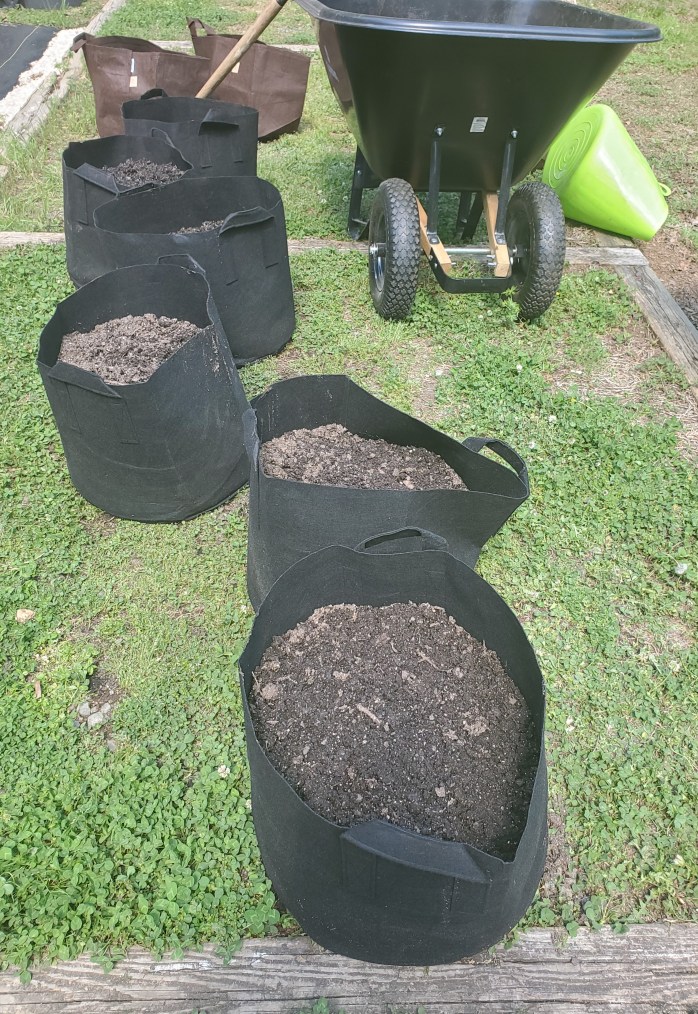
Over the course of the 4-day weekend, and the few minutes I could plant each evening after work the rest of the week, I was able to plant the rest of my peas and the corn (I would poke holes in the dirt with a stick and Oscar would do the bending to put the seed in the ground), cosmos (as a trap crop for corn earworm and Japanese beetles).
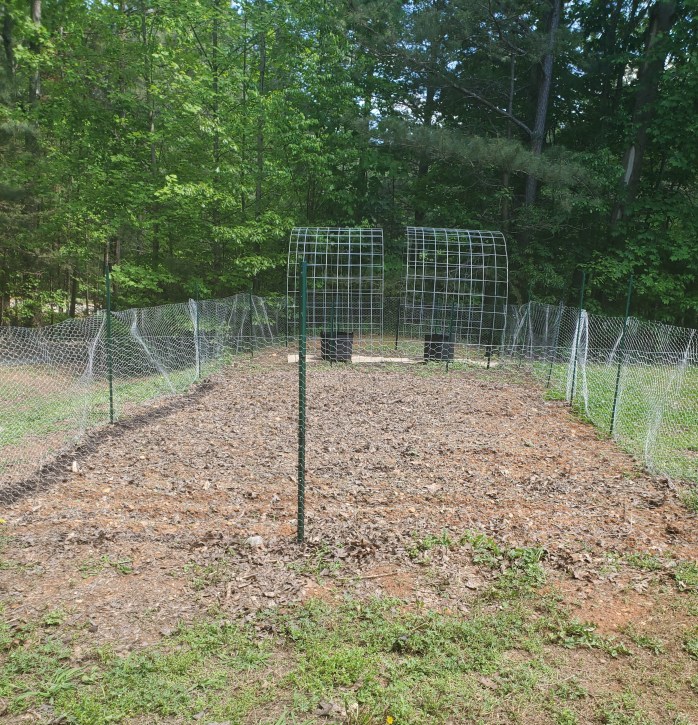
I also planted a bed of nasturtiums (also a trap crop for creepy crawlies).
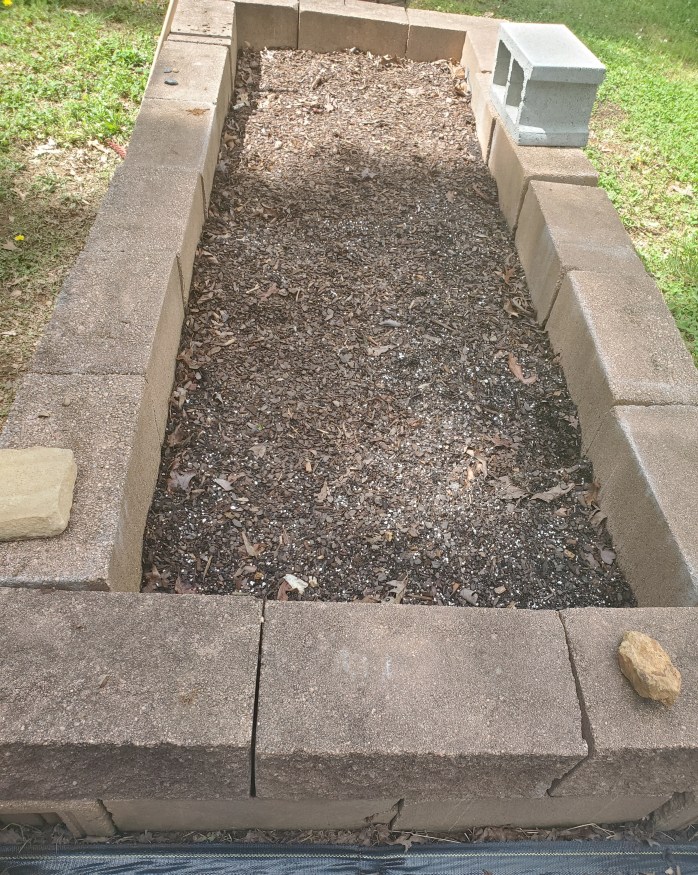
From the seedlings that I grew, I transplanted six tomatoes, two kabocha squash, and six sweet peppers.
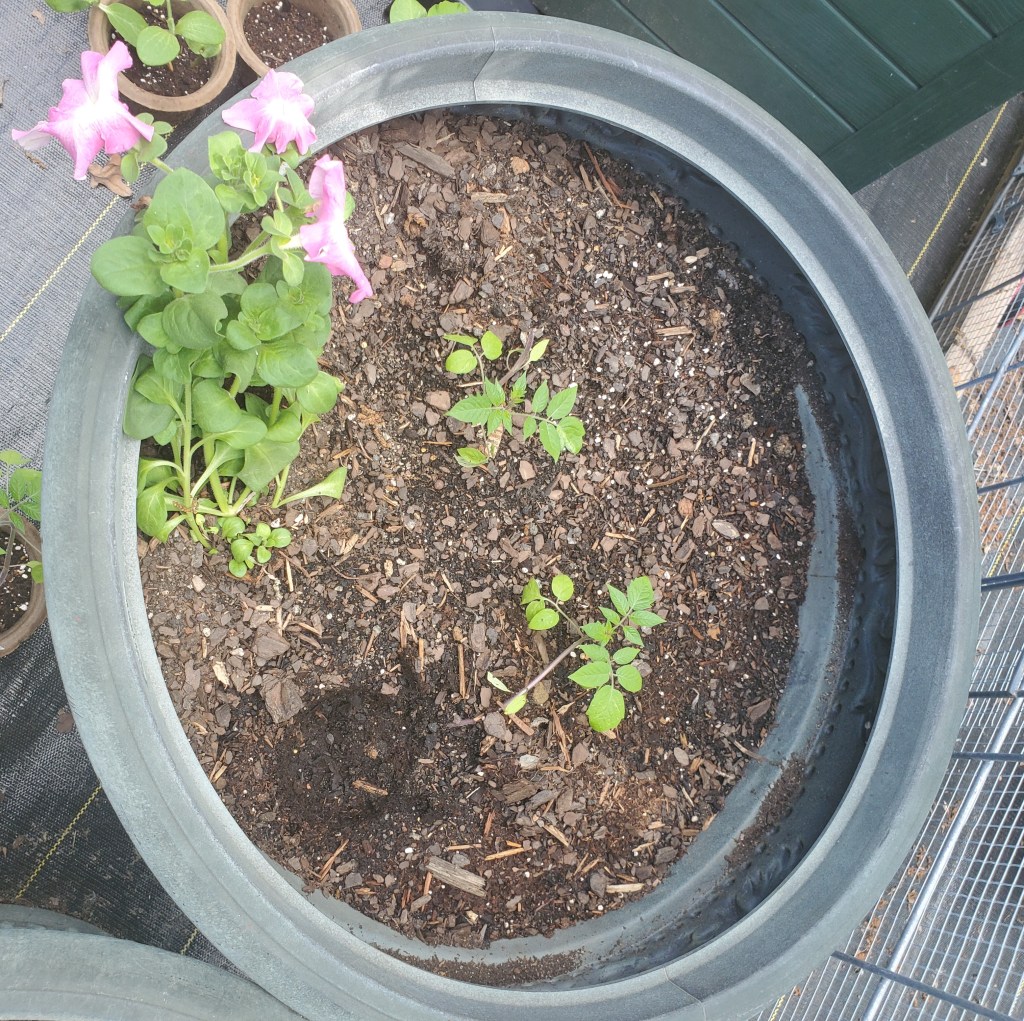
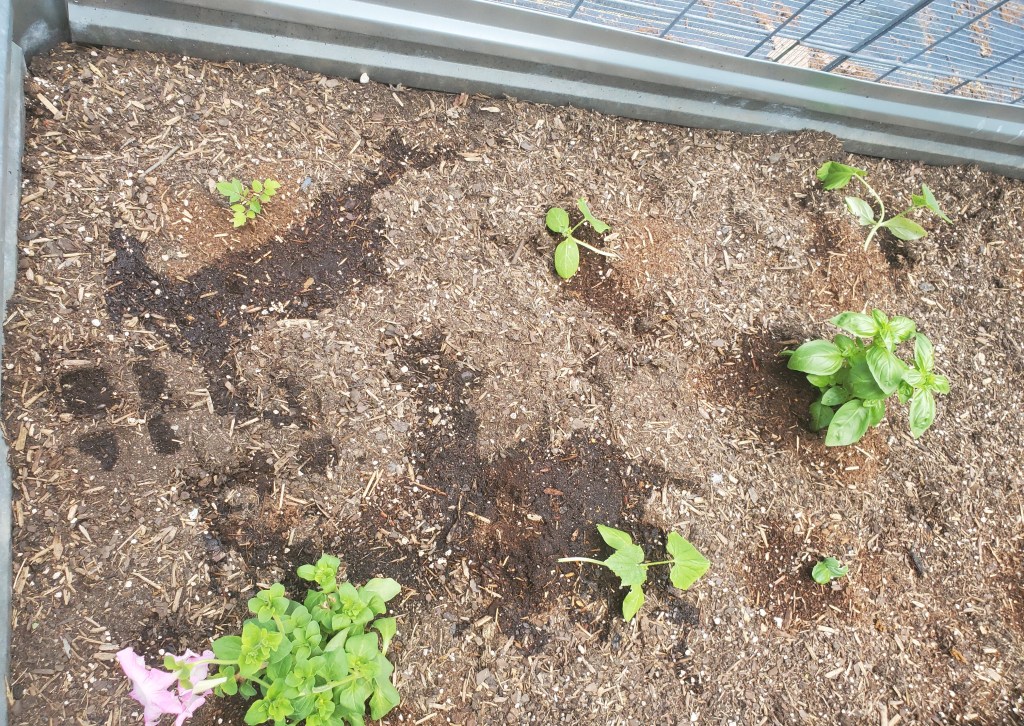
From the plants I picked up in my Farmers Market Haul, I planted the cucumber, three snapdragons, three petunias, the peppermint, the white geranium, two basil, two rosemary, two lemon grass, four marigolds, and the lemon balm.
I still have about three dozen plants and a half dozen seed crops to plant — after I replenish my dirt and pot supply.

STAY TUNED …
i took a couple days off work and have been busy in the garden and kitchen.
Unfortunately, I haven’t taken the time to take pictures and post on my daily progress.
Soon though, I’ll catch you up!

 Two Chickens Homestead
You must be logged in to post a comment.